
Yunnan wintersweet
Chimonanthus yunnanensis
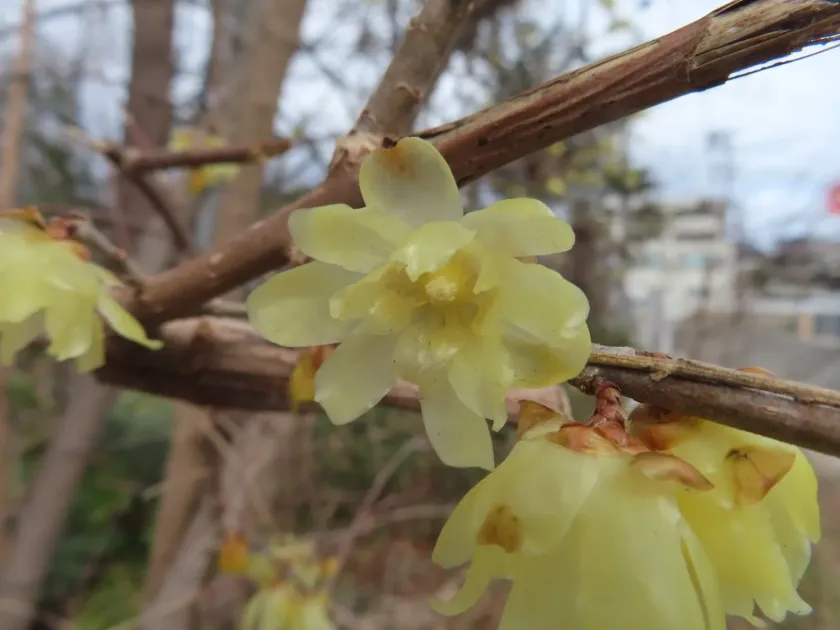
Description
Growing requirements
Yunnan wintersweet (Chimonanthus yunnanensis) is an exquisite deciduous shrub belonging to the Calycanthaceae family. Native to the mountainous regions of Yunnan Province in China, it is prized for its elegant form and resilience in its natural habitat.
To cultivate this species successfully, one must provide well-drained, nutrient-rich soil. It is highly sensitive to waterlogged conditions, particularly during the dormant season, which can lead to severe root damage or plant death.
The shrub thrives in sunny locations that offer shelter from harsh, desiccating winds. A site with a southern exposure is generally ideal, ensuring the plant receives the thermal accumulation necessary for flower bud development.
Regarding soil chemistry, the plant prefers a slightly acidic to neutral substrate. Incorporation of organic matter into the planting pit helps to maintain structural integrity and moisture balance without causing water retention issues.
Maintenance involves routine pruning to shape the canopy and remove dead or diseased wood. This practice promotes better airflow, which is essential for the overall vigor of the plant and reduces the risk of moisture-related issues.
Main diseases and pests
Common pests, including aphids and scale insects, may infest the foliage and succulent stems, especially if the plant is stressed by irregular watering. Early detection through periodic foliage inspections is essential for effective management.
Fungal pathogens such as powdery mildew can affect the leaves during periods of high humidity and poor circulation. Maintaining open plant architecture through light pruning is the most effective cultural method to mitigate these outbreaks.
Phytophthora root rot remains a potential threat in heavy soils with poor drainage. Using high-quality soil amendments and ensuring that the planting site is elevated can prevent the conditions conducive to these water-borne pathogens.
Winter injury can occur if the plant is exposed to extreme frost before it has fully acclimated. Providing a layer of organic mulch around the root zone helps to moderate soil temperature fluctuations during winter months.
Implementing an integrated pest management strategy ensures the long-term health of the shrub. Avoiding excessive overhead irrigation during the evening helps to keep the foliage dry, further reducing the risk of fungal proliferation.