
Wintersweet
Chimonanthus Lindl.
Wintersweet (Chimonanthus) is a genus of deciduous or evergreen shrubs belonging to the Calycanthaceae family. Native to the mountain regions of China, these plants are highly valued for their unique winter blooming cycle.
What the section contains

Wintersweet
The shrub thrives in sunny locations with protection from harsh winds. The ideal substrate is a fertile, well-draining soil with a pH level ranging from neutral to slightly acidic to support robust development.
Adequate moisture is essential during the growing season; however, standing water is detrimental to the plant's root system. Mulching the root zone helps maintain soil humidity and protects it from extreme temperature fluctuations.
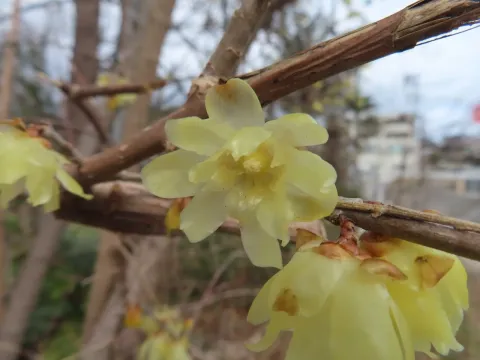
Botanically, Chimonanthus is known for its fragrant, yellow, cup-shaped flowers that bloom on bare branches. This physiological trait makes it one of the most attractive garden plants during the dormant winter months.
In terms of usage, Wintersweet is primarily utilized in landscaping as a specimen plant, near garden structures, or as a source of fragrant stems for interior floral arrangements.
Wintersweet is generally considered a low-maintenance plant that is not prone to serious infestations or epidemics under proper horticultural conditions.
Root rot is the most common threat, usually triggered by poor drainage or overwatering. Proper site selection and soil amendment with organic matter are the best preventative measures.
Pests such as scale insects or spider mites may occasionally affect the plant in greenhouse environments or during periods of prolonged drought, leading to leaf discoloration.
Regular pruning after flowering helps maintain the health and vigor of the shrub, removing dead or crossing branches that could harbor potential pathogens.
To ensure a long lifespan, gardeners should monitor the shrub periodically and apply balanced fertilizers in early spring to encourage healthy new vegetative growth.