
Chimonanthus nitens
Chimonanthus nitens
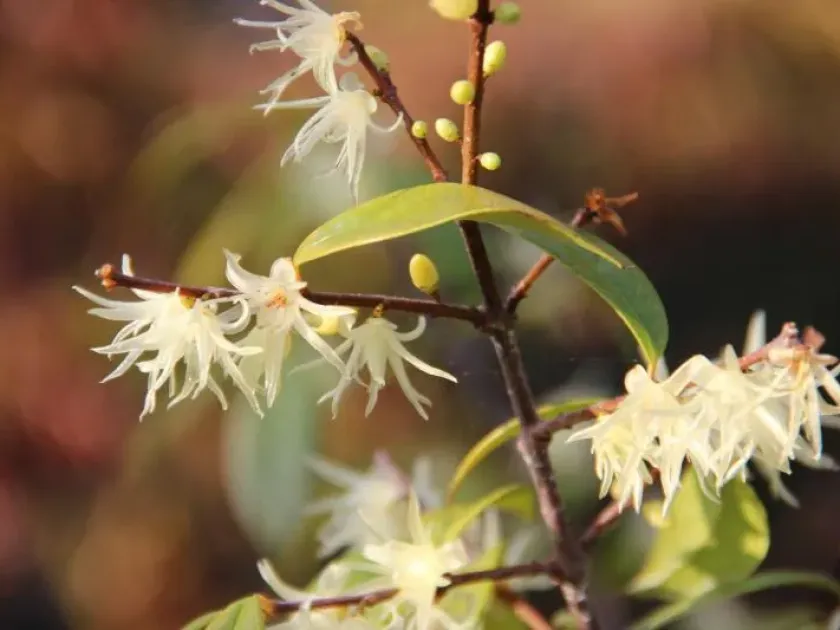
Description
Growing requirements
Chimonanthus nitens is a notable species within the Calycanthaceae family. This shrub is highly regarded in horticulture for its aesthetic appeal, characterized by glossy, persistent foliage and a naturally graceful growth habit.
Native to the mountainous regions of China, this plant typically thrives in woodland habitats. Its natural distribution indicates a preference for temperate climates with consistent moisture and shelter from harsh environmental elements.
Cultivation requires well-drained, humus-rich soil that mimics the forest floor conditions. Achieving the right soil balance is critical, as the roots are susceptible to rotting if submerged in stagnant, heavy clay or waterlogged soils.
Climatic requirements focus on protection from extreme weather. While the plant is hardy, it performs best in regions where temperatures do not fluctuate drastically, benefiting from partial shade and wind-protected locations.
The plant is primarily utilized in ornamental landscape design. It serves as an excellent focal point in gardens, particularly when grouped or used to add structural interest to shrub borders and modern landscape projects.
Main diseases and pests
The most significant threats to Chimonanthus nitens are root rot and other water-borne fungal pathogens. Over-irrigation and improper soil drainage are the primary causes that jeopardize the vitality of the plant.
Pests such as aphids and spider mites can occasionally affect the foliage, particularly during extended dry spells. These pests weaken the plant by sap-feeding, which may lead to leaf chlorosis or premature senescence.
Effective management includes maintaining proper spacing to ensure adequate air circulation throughout the foliage. This reduces the humidity levels that favor fungal growth on leaves and stems.
Integrated pest management protocols should be followed if infestation levels exceed acceptable thresholds. Using neem oil or gentle insecticidal soaps is generally preferred to maintain ecological balance in the garden.
General health maintenance, including mulching and nutrient management, plays a vital role in preventing opportunistic infections. A robust, well-fertilized plant is naturally better equipped to withstand environmental stress.