
Calophyllum antillanum
Calophyllum antillanum
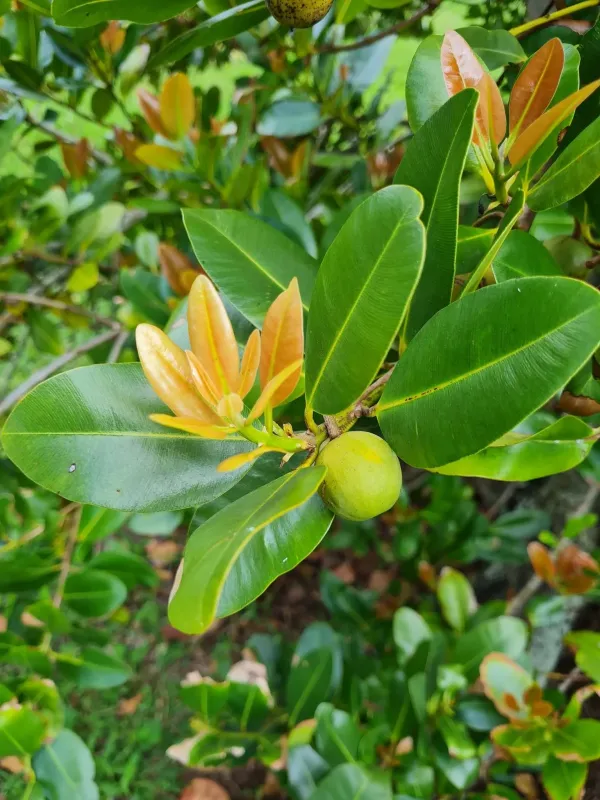
Description
Sowing dates
Propagation of Calophyllum antillanum is typically performed using seeds in specialized nurseries. Seeds require careful preparation, such as soaking, to soften the hard outer coat and ensure higher germination rates.
The ideal time for sowing is at the beginning of the rainy season, which provides the necessary moisture for early root development. In greenhouse conditions, well-draining substrates are essential to prevent seed rot during the initial stages.
Seedlings are kept in the nursery until they reach a height of 30 to 50 centimeters. This period allows them to develop a robust root system, which is crucial for successful establishment after transplanting into the field.
Planting density varies based on management goals: wider spacing is used for reforestation, while denser planting is preferred for timber production to encourage the growth of straight, branch-free trunks.
Acclimatization of saplings to full sunlight and ambient field conditions is a mandatory step before outplanting, ensuring the young trees can survive the transition without significant growth setbacks.
Growing requirements
Calophyllum antillanum is a member of the Clusiaceae family and thrives exclusively in tropical climates. The species is highly sensitive to frost, requiring consistently warm temperatures throughout the year to maintain its biological processes.
The plant prefers deep, fertile, and well-drained soils. Although it shows adaptability to various soil types, including limestone-based ones typical of its native range, waterlogged conditions are strictly avoided to ensure long-term health.
High humidity and consistent rainfall are vital for optimal growth. During prolonged dry spells, irrigation becomes necessary, especially for younger trees, to prevent severe drought stress and subsequent dieback.
Sunlight requirements are high, but young saplings benefit from partial shading in their early stages. This protects the foliage from intense solar radiation and reduces the risk of tissue dehydration.
Protection from high winds is an important silvicultural consideration, as the branches of the tree can be brittle. Strategic site selection or the use of windbreaks helps in maintaining the structural integrity of the crown.
Yield
The primary economic focus of Calophyllum antillanum is the production of high-quality timber. It is highly valued for its durability, resistance to rot, and aesthetic appeal, making it a preferred choice for furniture and marine construction.
Beyond timber, the plant offers potential in the extraction of essential oils and various biochemicals from its seeds and bark. These by-products are becoming increasingly important in pharmaceutical and cosmetic research.
Yield estimation is based on the volume of merchantable timber produced by the trees at harvest age. Proper silvicultural management, such as timely pruning, directly correlates with the final quality and market value of the lumber.
Sustainable harvesting practices, such as selective thinning and logging, ensure the long-term productivity of plantations while preserving the ecological health of the site.
The tree exhibits moderate growth rates under optimal conditions, allowing for predictable harvest cycles and making it a viable long-term investment in tropical forestry.
Main diseases and pests
Common threats to Calophyllum antillanum include various leaf-feeding insects and wood-boring beetles that can damage the trunk, thereby reducing the structural and aesthetic quality of the timber.
Fungal diseases are a significant risk, particularly in areas with excessive moisture and poor air circulation within the canopy. Symptoms often include leaf spotting and root rot, which can be detrimental if not addressed early.
Preventative measures include regular sanitary pruning, maintaining clean field conditions, and ensuring appropriate spacing to allow for adequate ventilation of the foliage and stems.
Biological control methods are encouraged to manage pest populations without the need for intensive chemical applications, which helps maintain the natural balance of the plantation ecosystem.
- Regular monitoring of bark and canopy health.
- Removal and destruction of infected branches to stop spread.
- Proper drainage management to prevent root infections.