
Chimonanthus zhejiangensis
Chimonanthus zhejiangensis
Description
Growing requirements
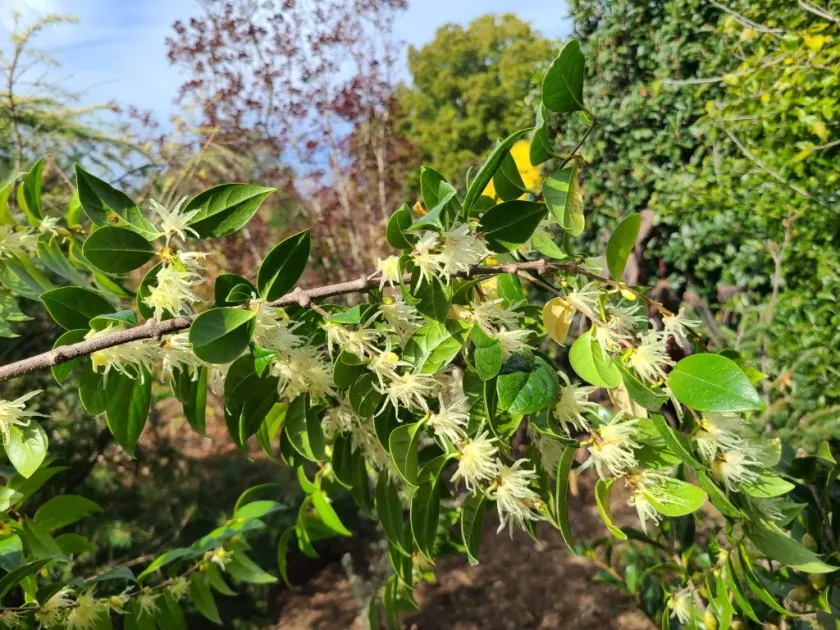
Chimonanthus zhejiangensis is a distinctive ornamental shrub belonging to the Calycanthaceae family. Native to the Zhejiang province in China, this species is highly regarded for its botanical uniqueness and aesthetic appeal in specialized horticultural collections.
The plant thrives in subtropical climates, requiring well-drained, fertile soil with a slightly acidic to neutral pH. It is essential to ensure that the planting site has sufficient organic matter to support the robust development of its root system.
Regarding climatic requirements, the plant prefers locations that offer protection from harsh winter winds and excessive frost. While it exhibits some tolerance to cold, mulching around the base is recommended to stabilize soil temperatures during the colder months.
Agrotechnical practices involve regular monitoring of moisture levels, as the species does not tolerate waterlogged conditions. Providing consistent hydration during the growing season while ensuring excellent drainage prevents root-related issues.
The primary economic use of this culture is within the landscape architecture sector. It is prized for its ornamental value, particularly due to its fragrant, winter-blooming flowers that bring aesthetic interest to gardens when few other plants are in bloom.
Main diseases and pests
Chimonanthus zhejiangensis is susceptible to common shrub pests, including aphids and spider mites, which can be particularly problematic during dry weather or if the plant is grown under less-than-ideal environmental conditions.
Fungal diseases, such as leaf spot or powdery mildew, can occur if the foliage remains wet for extended periods. Proper spacing and airflow are critical strategies to mitigate these risks in both garden and nursery settings.
Root rot represents the most significant threat to the plant's longevity. This is almost exclusively linked to poor drainage or overwatering, making the management of the soil moisture regime a top priority for any grower.
During the spring, the tender new growth may be damaged by late frosts or insect feeding. Monitoring during these transition periods is vital to ensure that the plant retains its vigor and enters the summer season in optimal health.
Integrated pest management (IPM) is strongly advised for the maintenance of this shrub. This includes regular manual checks, the use of environmentally friendly soap-based insecticides, and keeping the base of the plant free from decaying debris.