
Gumbo-limbo
Bursera simaruba (L.) Sarg.
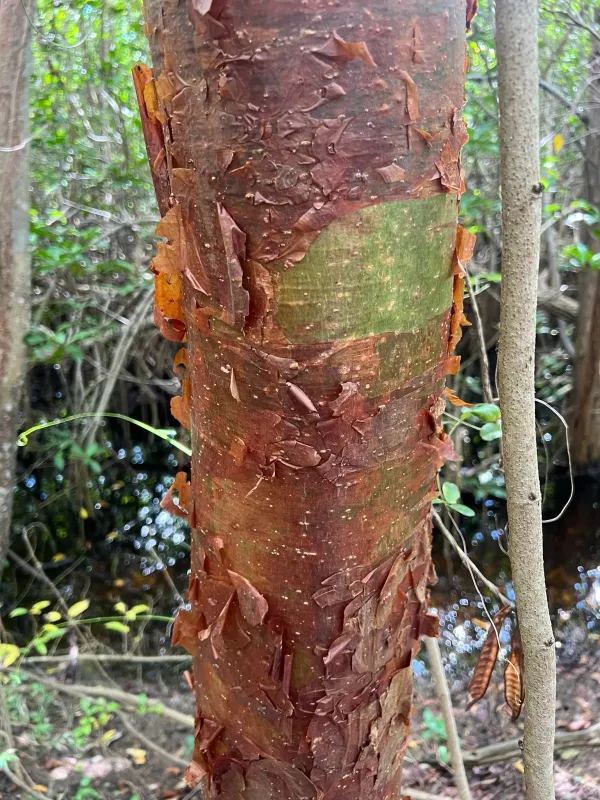
Description
Sowing dates
The Gumbo-limbo tree is most efficiently propagated through stem cuttings, which are harvested during the dormant season to ensure high survival rates.
Cuttings should be planted in a well-drained, sandy substrate during the onset of the rainy season to provide the necessary moisture for root development.
Seed propagation is also possible; however, seeds must be planted immediately after harvest as they tend to lose their viability quickly under dry conditions.
For plantation establishment, a spacing of at least 6 to 8 meters is recommended to allow the tree's wide-spreading canopy sufficient room to grow.
Pre-planting soil preparation includes adding organic matter and ensuring the site is elevated to prevent any water pooling around the young roots.
Growing requirements
Bursera simaruba, belonging to the Burseraceae family, is a highly resilient tree native to the tropical forests of the Americas, known as the tourist tree.
It thrives in full sunlight and is known for its remarkable ability to withstand high winds and hurricanes, making it a staple in tropical landscaping.
The tree is extremely adaptable to various soil types, ranging from nutrient-poor sandy soils to rocky limestone substrates, provided there is adequate drainage.
Gumbo-limbo is highly drought-tolerant, capable of surviving long dry seasons by shedding leaves to minimize water loss and conserving internal moisture.
While it prefers warm temperatures, the plant is relatively hardy and can tolerate brief periods of cool weather, though it is sensitive to heavy frost.
Yield
The timber of the Gumbo-limbo tree is widely used for creating light furniture, boxes, and various carpentry products due to its moderate density.
The resin extracted from the bark is historically valuable for its medicinal properties, often used as a balm for skin treatments and inflammation.
The tree serves as an excellent candidate for erosion control, as its deep and extensive root system binds loose soil on slopes and disturbed areas.
Agroforestry systems benefit from planting this species as a living fence, which acts as a windbreak and provides habitat for various bird species.
The rapid growth rate of the species makes it a sustainable choice for reforestation projects aimed at restoring forest biodiversity in degraded habitats.
Main diseases and pests
While relatively pest-resistant, the tree can sometimes be affected by wood-boring beetles, especially when the tree is stressed by drought or injury.
Fungal leaf spot diseases may occur in environments with poor air circulation or excessive humidity, requiring targeted pruning to open the canopy.
Root rot is a significant risk only if the tree is planted in low-lying areas where water accumulates, emphasizing the need for proper site selection.
Monitoring the bark for lesions or signs of decay is crucial, as this is the most common entry point for opportunistic pathogens and pests.
Integrated pest management strategies focusing on maintaining tree vigor through appropriate site drainage and solar exposure are the best defense.
Harvesting
Bark harvesting for traditional medicinal use must be done selectively and with extreme care to avoid girdling the tree, which would be fatal.
Lumber harvesting is conducted once the trees reach sufficient diameter, typically after 20 years of growth under optimal managed conditions.
Post-harvest, the wood should be seasoned properly in a sheltered area to prevent warping and ensure the high quality of the final timber product.
Seed collection involves picking mature, dark-colored drupes, which are then cleaned of pulp before being dried for short-term storage or immediate planting.
Strict adherence to sustainability guidelines during harvesting ensures the long-term viability of Gumbo-limbo populations in agricultural landscapes.