
Aucoumea
Aucoumea
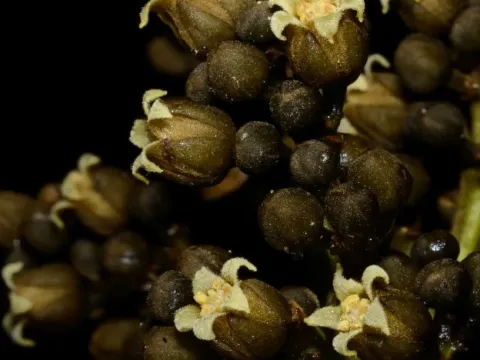
Aucoumea (Aucoumea klaineana), widely known as Okoumé, is a prominent tropical tree species belonging to the Burseraceae family. Native to the equatorial rainforests of Central Africa, specifically Gabon, the Republic of Congo, and Equatorial Guinea, it plays a vital role in regional forestry economies.
What the section contains

Aucoumea
The culture requires a consistent humid tropical climate with high annual rainfall and minimal seasonal temperature variance. As a light-demanding pioneer species, it thrives in environments where it can quickly establish itself in gaps within the forest canopy, benefiting from intense solar radiation.
Soil preferences for Aucoumea include deep, well-drained alluvial or sandy soils. It is highly sensitive to waterlogged conditions, making proper soil drainage a critical factor in successful cultivation. Poorly aerated soils often lead to root decay and significant growth retardation in both wild stands and managed plantations.
Botanically, this species is characterized by its tall, straight trunk that can reach heights of up to 40 meters. The bark is typically smooth in younger trees, turning light grey and slightly rougher as the tree matures. Its complex, pinnate leaves are adapted to efficient gas exchange and photosynthesis in tropical environments.
Economically, Aucoumea is one of the most significant species for the international plywood industry. Its timber is highly valued for its light weight, uniform grain, and excellent peeling properties, making it the preferred choice for veneer and high-quality plywood production across the globe.
Fungal pathogens remain the primary biological threat to Aucoumea, especially in areas with stagnant air and high humidity. These infections can manifest in both the root systems and the stems, potentially damaging the wood quality and compromising the tree's health during its critical development phases.
Various wood-boring insects present a constant challenge to forest managers. These pests penetrate the bark, creating galleries that damage the timber and provide entry points for secondary pathogens, often leading to structural weakness and loss of economic value for the harvestable crop.
Nematode infestations in nursery settings can severely hamper the growth of seedlings. Effective management strategies involve careful selection of planting sites and the use of soil sterilization techniques where applicable, combined with consistent monitoring of plantation health.
Invasive species and opportunistic pathogens often exploit the reduced biodiversity found in monocultural plantations. This necessitates a proactive approach to forest management, where maintaining a diverse ecosystem serves as a natural defense against the rapid spread of localized diseases.
Silvicultural practices, such as proper spacing and periodic thinning, are essential to minimize the risk of disease outbreaks. These actions ensure adequate ventilation and light penetration, which are crucial for keeping the trees resilient against potential threats while promoting optimal diameter growth.