
Bursera glabrifolia
Bursera glabrifolia (Kunth) Engl.
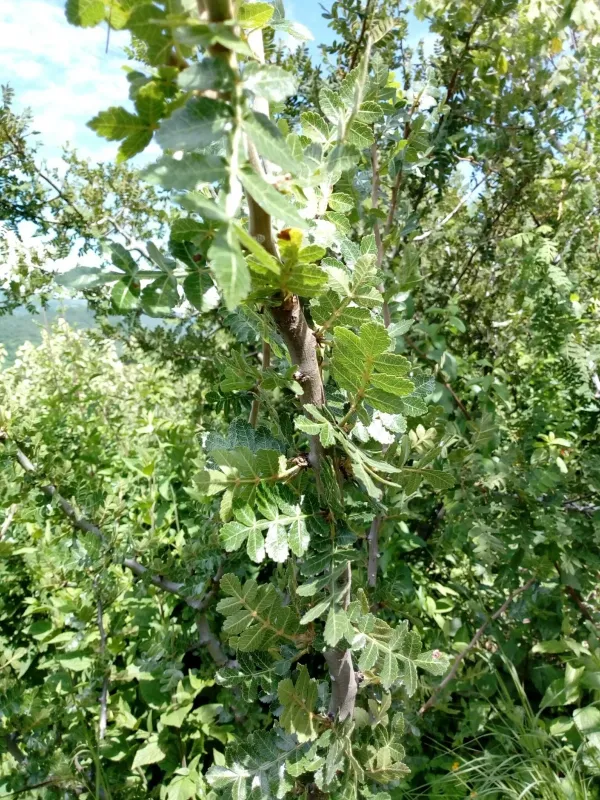
Description
Growing requirements
Bursera glabrifolia is a significant woody species belonging to the Burseraceae family. Native to the dry tropical forests of Mexico, it is biologically adapted to semi-arid environments where high temperatures and low rainfall prevail throughout the year.
The species thrives in well-drained, rocky, or sandy substrates. Its root system is highly sensitive to waterlogging, necessitating planting sites with excellent drainage capacity to prevent root rot and ensure healthy development of the tree canopy.
Climatic requirements are specific to tropical zones, typically between 15° and 25° latitude. The plants require high intensity of sunlight, making them unsuitable for shaded areas or regions with frequent cloudy and overcast weather conditions.
Cultivation practices involve selecting sites with a clear seasonal cycle. Although the plant is drought-tolerant, supplemental irrigation may be required during the establishment phase of young plantations to ensure survival before the trees develop deep root systems.
Soil nutrient requirements are generally low, as the tree has adapted to nutrient-poor soils. Over-fertilization should be avoided to prevent excessive vegetative growth at the expense of aromatic compound accumulation in the heartwood.
Main diseases and pests
The primary threats to Bursera glabrifolia populations include habitat fragmentation and unsustainable harvesting practices by unauthorized wood collectors. These activities can severely diminish the density of mature, oil-producing trees in the wild.
Pest pressure is relatively low compared to other fruit or grain crops; however, certain wood-boring beetles can cause damage to the trunk and branches. Regular monitoring is essential to prevent infestations that could compromise the health of the trees.
Fungal pathogens associated with excessive soil moisture are a critical risk factor. Phytophthora species can infect the root system if the planting site lacks proper drainage, leading to rapid decline and mortality of the plantation trees.
Environmental climate changes, specifically shifting rainfall patterns, may impact the natural regeneration cycles of the species. Seedlings are particularly vulnerable to extreme droughts that occur outside of the historical seasonal averages.
Invasive weed species can compete with young Bursera saplings for light and space. Integrated weed management programs are recommended during the first three years of plantation development to ensure the competitive advantage of the trees.
Harvesting
The primary economic value of Bursera glabrifolia lies in its wood, known as Linaloe wood. This wood is the raw source for extracting Linaloe oil, a highly prized essential oil characterized by a delicate, sweet, and floral scent.
Harvesting techniques involve the selective felling or pruning of mature trees. The concentration of essential oils is highest in the heartwood of older specimens, which naturally accumulate resins as they age, significantly increasing the oil yield per kilogram of wood.
Processing involves milling the dried wood into small chips. These chips are then subjected to steam distillation. This method is the standard industrial procedure for isolating the linalool-rich oil, which serves as a key base for perfumes and soaps.
Sustainability is a core component of modern production. Foresters are implementing strict management cycles to ensure that the harvesting of Linaloe wood does not deplete wild populations, focusing instead on cultivated tree stands.
Quality control is vital throughout the production chain. The temperature of distillation and the duration of the process directly affect the composition of the essential oil. Proper storage of the finished oil is also required to maintain its aromatic stability and market value.