
Tropidocarpum gracile
Tropidocarpum gracile
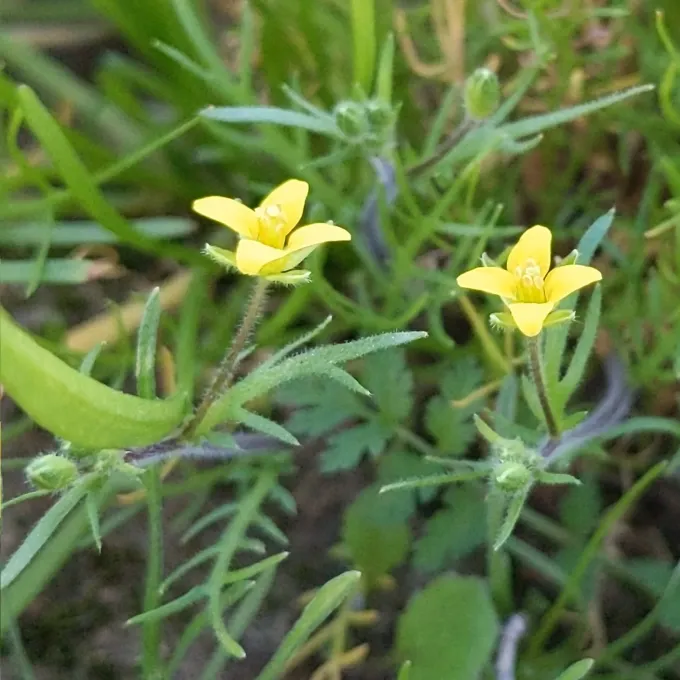
Description
Sowing dates
Tropidocarpum gracile is an ephemeral plant that naturally completes its life cycle during the short spring season. In an agricultural or controlled setting, seeds are typically sown in autumn or early spring to mimic natural germination triggers.
The seeds demonstrate high germination rates under cool, moist conditions. A finely prepared seedbed is essential to ensure that the small seeds maintain contact with the soil, promoting uniform emergence.
Planting depth should be kept shallow, ideally between 1 and 2 centimeters. Sowing too deep may prevent the seedlings from reaching the surface, as they possess limited energy reserves for initial growth.
Row spacing should be optimized based on the intended use, whether for cover crop biomass or seed production. Avoid overcrowding, as plants require significant airflow to prevent moisture-related issues.
Field preparation must focus on eliminating competitive weeds early in the season. Since the plant is relatively small, it can easily be overwhelmed by aggressive weed species during the rosette stage.
Growing requirements
This species, belonging to the Brassicaceae family, thrives in open, high-light environments. Full sun exposure is critical for maximizing photosynthetic efficiency and ensuring successful floral development.
Well-drained soil, specifically sandy or loamy textures, is highly preferred. The root system is sensitive to waterlogging, making proper drainage the most important factor in site selection.
Although adapted to arid conditions, the plant requires consistent moisture during the early vegetative phase. Once the plant transitions to the flowering stage, it becomes increasingly drought-tolerant.
Ideal temperatures range from 15 to 25 degrees Celsius. Intense heat at the end of the spring season acts as a natural signal for the plant to finalize seed production and senesce.
The plant is not nutrient-demanding; however, a balanced baseline level of phosphorus can improve root development and seed quality. Avoid excessive nitrogen, which can lead to disproportionate vegetative growth.
Main diseases and pests
Typical Brassicaceae pests, such as flea beetles, pose the most significant threat to young plants. These insects can quickly defoliate seedlings if not monitored during the early weeks of growth.
Fungal pathogens associated with damp conditions, such as damping-off or stem rot, can occur if the soil remains saturated for extended periods. Good site selection and proper spacing are the best defenses.
Aphids can occasionally infest flower clusters during warmer, drier spells. While usually not fatal to established plants, they can reduce the overall yield of high-quality, viable seeds.
Integrated Pest Management (IPM) practices, including the use of trap crops or beneficial insect habitats, are recommended to control populations without relying heavily on chemical inputs.
Maintaining a strict crop rotation schedule is vital. Avoiding planting Brassicaceae species in the same area more than once every three years helps minimize the buildup of soil-borne diseases.