
Pseudovesicaria digitata
Pseudovesicaria digitata
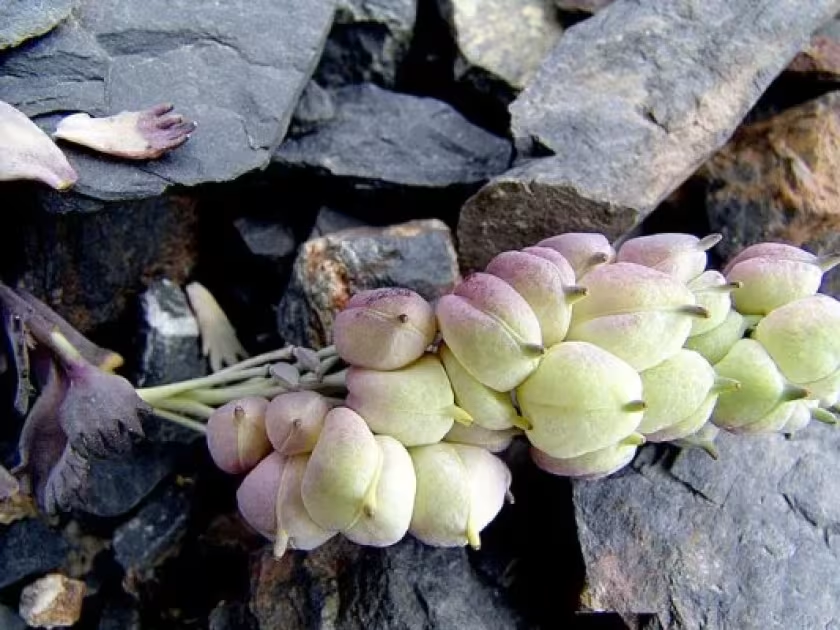
Description
Sowing dates
Pseudovesicaria digitata is a rare botanical species belonging to the Brassicaceae family, historically associated with mountainous regions. Its cultivation requires specific attention to environmental simulation.
The sowing process is recommended for early spring to align with natural growth cycles. Seeds require a well-prepared seedbed that mimics high-altitude rocky environments with high drainage capabilities.
Seed depth should be kept shallow, typically 1-2 cm, to ensure efficient germination. Covering the seeds with a light layer of substrate or gravel helps maintain the necessary surface moisture.
Proper spacing is crucial to prevent competition for nutrients and light. Depending on the intended scale, sowing should be calculated to allow for sufficient airflow between individual plants.
Consistency in moisture during the initial weeks is vital for successful establishment. Once the plants develop their characteristic foliage, they become more resilient to moderate dryness.
Growing requirements
This species thrives in climates characterized by moderate temperatures and clear, bright days. Excessive heat is a major limiting factor in the successful cultivation of this plant.
The soil structure must be excellent, emphasizing drainage over moisture retention. Sandy or gravelly soils with high porosity are preferred to prevent waterlogged conditions at the root zone.
Optimal pH levels typically range between neutral and slightly alkaline. The plant does not require high levels of organic matter and can even be disadvantaged by excessive nutrient richness.
Sunlight requirements are significant; the plant needs direct exposure for the majority of the day. Shade leads to weak growth and increased susceptibility to various pathogens.
Fertilization management should focus on long-acting minerals rather than high-nitrogen inputs. Small, controlled applications are sufficient to support growth without causing physiological imbalance.
Main diseases and pests
Root rot is the most common threat, primarily caused by excessive moisture or poor soil drainage. Maintaining a strict irrigation schedule is the primary defense mechanism.
Cruciferous pests, including flea beetles, present a significant challenge to seedling survival. Regular scouting and preventative measures are essential to preserve the crop.
Fungal infections, such as Alternaria or powdery mildew, may occur if air circulation is inadequate. Proactive thinning of foliage is recommended to maintain a healthy microclimate.
Nematodes can affect the root health, leading to stunted development. Implementing a strict crop rotation schedule helps mitigate the build-up of soil-borne pathogens.
- Sanitization of tools and equipment.
- Strict adherence to moisture control protocols.
- Integrated pest management strategies focusing on early detection.