
Leptaleum filifolium
Leptaleum filifolium
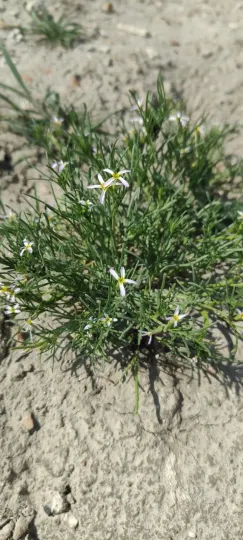
Description
Growing requirements
Leptaleum filifolium is a distinctive annual species belonging to the Brassicaceae family. It is primarily known for its remarkable adaptation to arid and semi-arid environments, where it thrives under conditions that would inhibit most standard agricultural crops.
The cultivation of this plant requires well-drained, light-textured soils such as sandy or loamy-sand substrates. It exhibits significant tolerance to high levels of soil salinity, allowing it to grow in areas that are otherwise considered unsuitable for traditional farming.
In terms of climatic preferences, Leptaleum filifolium favors regions with high levels of solar radiation and low relative humidity. It is highly drought-tolerant, utilizing its specialized root system to access deep soil moisture during dry spells.
Agricultural practices for this species focus on low-input management. Sowing should be carried out at shallow depths, ensuring that the small seeds are embedded in the topsoil layer to benefit from early-season moisture while avoiding burial.
The plant's morphological structure, characterized by its fine, filiform leaves, is a physiological response to minimize transpiration. This allows the crop to maintain metabolic activity throughout the growing season even with minimal water availability.
Main diseases and pests
As a member of the Brassicaceae family, Leptaleum filifolium is susceptible to typical crucifer pests. Flea beetles represent the most significant threat, especially during the seedling stage, when the plants are highly tender.
Fungal pathogens such as downy mildew can become a concern if the crop is subjected to uncharacteristic periods of high humidity or poor field drainage. Preventing water accumulation in the canopy is essential for disease suppression.
Aphid infestations may occur, causing stunted growth and leaf curling. These insects are vectors for several plant viruses, making consistent monitoring and timely intervention necessary for protecting the seed-bearing capacity of the crop.
Weed competition is a critical factor limiting yields, particularly in the first few weeks after germination. Integrated weed management, including mechanical cultivation, is essential to ensure the crop has adequate access to nutrients and light.
Implementing a strict crop rotation schedule helps to reduce the build-up of soil-borne pathogens and pests specific to the Brassicaceae family. This practice serves as the foundation for sustainable cultivation of this specialized plant species.