


Reference · Crops
Winter cress
Barbarea
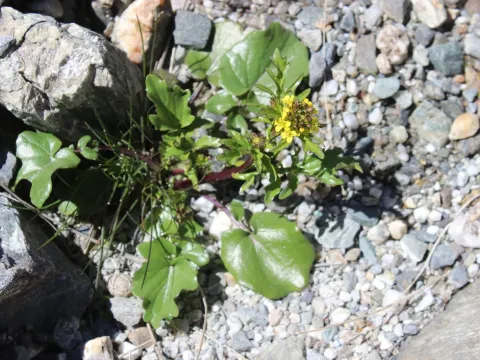
Winter cress, scientifically known as Barbarea, is a biennial herbaceous plant belonging to the Brassicaceae family. In agricultural systems, it is typically sown in late summer or early autumn, which allows the plant to establish a strong basal rosette of leaves before the onset of winter dormancy.
2
items
What the section contains
Marketplace
Products in this section · 4


Winter cress
Spring sowing is also possible for certain varieties, and it should be performed as early as the soil conditions allow. The seeds are very small, requiring shallow sowing at a depth of 1.5 to 2 centimeters to ensure they remain in contact with moisture for successful germination.
The seeding rate varies based on the purpose of the crop, typically ranging from 10 to 12 kilograms per hectare for dense stands. Proper spacing is essential to reduce inter-plant competition, which can otherwise lead to reduced biomass production and increased susceptibility to lodging later in the season.
Successful establishment relies on ensuring the soil is fine-textured and firm at the time of sowing. Farmers often use rollers to press the seeds into the soil after sowing, which helps improve capillary water movement and ensures uniform emergence across the entire field.
As the plant is cold-hardy, early spring growth is usually very rapid once temperatures rise above 5 degrees Celsius. This vigor allows winter cress to compete effectively against early emerging weeds if the stand has been established at an appropriate density.
Winter cress thrives in well-drained loam or sandy-loam soils with a neutral pH. While it is adaptable to various soil types, it performs best in soils rich in organic matter and essential nutrients, particularly sulfur and boron, which are critical for cruciferous plant metabolism.
The crop requires sufficient moisture during the bolting and flowering stages to achieve maximum yields. Although it is relatively drought-tolerant once established, prolonged dry periods during the spring growth phase can significantly reduce the biomass of forage crops or the yield of seeds.
Sunlight exposure is a major factor in productivity, so selecting open, well-lit sites is recommended for commercial production. Shady areas may result in weaker stems, delayed maturation, and increased vulnerability to fungal pathogens due to stagnant humidity around the canopy.
Agricultural management should include regular cultivation between rows during the early stages of development. This helps break soil crusts, improves oxygenation to the roots, and helps control weeds that could otherwise rob the crop of vital resources such as nitrogen and water.
Fertilization regimes should be based on soil test results, with a focus on balanced NPK ratios. Applying nitrogen in the early spring can significantly boost vegetative growth, resulting in higher biomass for fodder or improved canopy density for seed production.
The biomass yield of winter cress can reach 20 to 40 tonnes per hectare depending on the variety and local climate. Its value lies in its early availability, providing nutritious green fodder at a time when most other traditional crops are still in the early stages of their growth cycle.
Seed yields are typically between 1.5 and 2.5 tonnes per hectare, depending on optimal weather during the pollination window. The seeds are valued for their high oil content, which makes them a viable candidate for both industrial oil production and biofuel applications.
Maximizing yield requires strict control of competing vegetation and adequate nutrition throughout the growing season. High-performing cultivars exhibit better branching patterns and resistance to seed pod shattering, which are critical traits for ensuring the final harvest remains profitable.
Pollination success is a key driver of seed yield, as the crop benefits significantly from insect activity. Maintaining healthy bee populations near production fields can improve seed set, thereby increasing overall output and economic returns for the grower.
Harvest management, including the timing of cutting and the use of efficient machinery, plays a vital role in determining final yields. Minimizing losses during the harvesting process can effectively increase the net output per hectare by a significant margin.
Common pests affecting winter cress include crucifer flea beetles, cabbage moth larvae, and the rape blossom beetle. Flea beetles, in particular, are the most serious threat, as they can cause severe damage to the cotyledons and early true leaves, potentially killing entire seedling stands.
Integrated pest management strategies involve monitoring fields for pest thresholds and applying insecticides only when necessary. Rotating crops and removing wild cruciferous weeds from field borders help reduce the population of these pests and lower the overall disease pressure.
Fungal diseases like downy mildew and Alternaria leaf spot pose significant risks in humid or rainy environments. These pathogens reduce the plant's photosynthetic capacity, leading to weakened growth and a reduction in the overall quality of the harvested biomass or seed.
Effective disease control is achieved through the use of preventative fungicides and by maintaining healthy, vigorous crops that are less susceptible to pathogen attack. Avoiding excessive nitrogen application can also help reduce the development of certain fungal diseases.
Seed treatment is a critical preventative measure against soil-borne pathogens and early pest infestations. Utilizing high-quality, treated seed is one of the most effective ways to ensure strong initial establishment and long-term crop protection throughout the growing season.
The harvest of winter cress seeds is conducted when the pods reach maturity, usually identified by a color change from green to a light brown or straw color. Direct combining is common when moisture content levels drop to around 12–14%, ensuring easy threshing and minimal damage.
In cases where crops mature unevenly, a two-step harvesting method—cutting and windrowing—is used. This allows the plants to dry down naturally and ensures the seeds reach a consistent maturity, which is crucial for storage and long-term quality maintenance.
Post-harvest conditioning is essential, with seed cleaning and drying to below 9% moisture content. Proper drying prevents mold growth and chemical degradation, preserving the integrity of the oil content and ensuring the seed remains safe for long-term storage or processing.
For forage purposes, harvesting should take place at the bud stage, just before the flowers open. At this peak nutritional point, the plant provides the highest level of crude protein and digestible fiber, which are necessary for maintaining animal health and productivity.
Efficient handling of the harvested product, including timely transport to drying or storage facilities, completes the cycle. Adherence to best practices during these final stages helps preserve the crop's value and ensures it meets the quality standards required by modern buyers.