
Degenia velebitica
Degenia velebitica
Description
Growing requirements
Degenia velebitica is a rare perennial herbaceous plant belonging to the Brassicaceae family. It is a strictly localized endemic species, found exclusively in the Velebit mountain range in Croatia, primarily on limestone substrates.
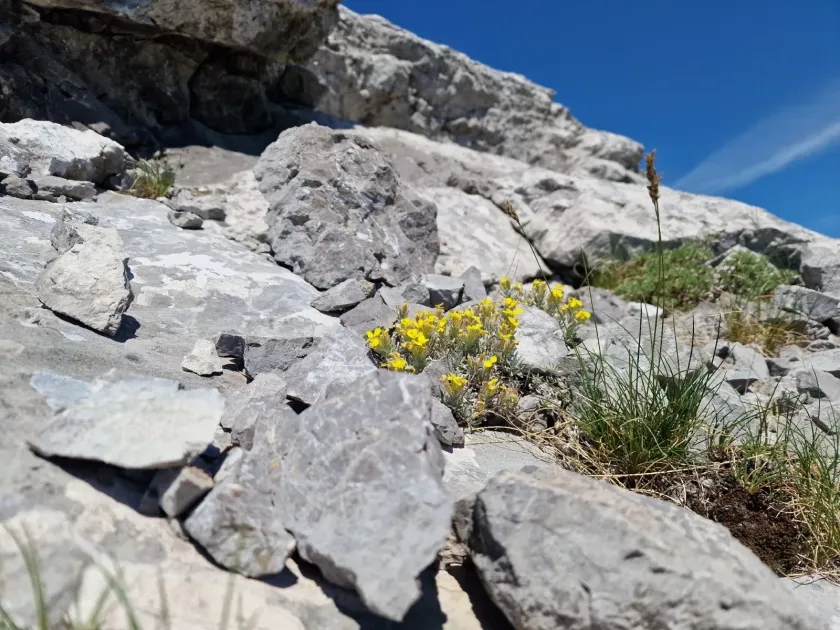
The plant has evolved to survive in extreme alpine conditions, typically thriving on rocky crevices and scree slopes at elevations ranging from 1000 to 1600 meters above sea level. It prefers well-drained soils with minimal nutrient content.
Botany-wise, the plant grows in low, dense, cushion-like mats. This morphological adaptation allows it to withstand strong mountain winds, retain moisture, and protect itself from the abrasive effects of shifting rocks and snow.
Degenia velebitica requires a harsh mountain climate to complete its life cycle, including a dormant winter period under snow cover and cool, bright growing seasons. Its specialized environmental needs make it impossible to cultivate for agricultural purposes.
As a highly specialized endemic, the species holds significant interest for botanical research and conservation. It is protected by law, and any harvesting or destruction of its natural habitat is strictly prohibited and carries significant penalties.
Main diseases and pests
The primary threat to Degenia velebitica is climate change, which alters the delicate balance of its mountain ecosystem. Warming temperatures are reducing the availability of suitable high-altitude habitats for this specialized plant.
The plant faces competition from more aggressive, heat-tolerant plant species that are migrating to higher altitudes. Additionally, human activities such as mountain trekking and rock climbing can lead to the physical destruction of their fragile populations.
While natural pests are not the primary cause of decline, the species can be susceptible to typical Brassicaceae pests, such as aphids, when grown outside its natural mountain environment in experimental conditions.
Fungal infections remain a major risk, especially when the plant is subjected to poor drainage or stagnant air in non-natural settings. These infections can quickly destroy the dense cushions of the plant.
Due to its isolated and limited distribution, the species lacks the genetic diversity required to rapidly adapt to sudden environmental changes, making every remaining colony critical for the long-term survival of the taxon.