
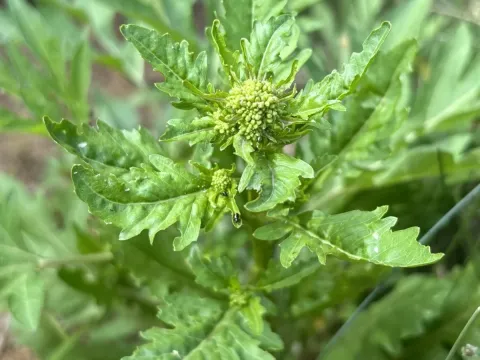
Yellowcress
Rorippa
Yellowcress, a member of the Brassicaceae family, is a versatile crop that is generally propagated through seed. Sowing should take place in early spring when the soil temperature consistently reaches at least 8–10°C, ensuring that the seeds have adequate moisture for germination.
What the section contains

Yellowcress
Due to the microscopic size of the seeds, they should be sown on the surface of well-prepared, fine-textured soil and pressed down gently without deep covering. Proper row spacing, typically around 25 centimeters, is essential to allow for vigorous rosette growth and to facilitate mechanical or manual weeding during the early stages of development.
The primary agronomic requirement for Yellowcress is consistent moisture. As a hydrophytic plant, it thrives in environments with high water availability, making it an ideal choice for low-lying areas, stream banks, or systems with constant irrigation.
Soil composition should be rich in organic matter, ideally featuring loamy textures that provide both fertility and water retention. The plant is adaptable but performs best in neutral to slightly acidic soils where nutrient uptake is optimized, promoting rapid biomass accumulation.
Climate-wise, Yellowcress prefers cool to moderate temperatures. While it can withstand varying degrees of light, full exposure to sun during cooler months or partial shade during the heat of summer will help maintain the quality of the foliage and prevent early flowering, which can make the leaves bitter.
The most significant pest risk for Yellowcress is the flea beetle, which can skeletonize leaves within days if left unchecked. Integrated pest management, including floating row covers or frequent overhead irrigation, serves as a highly effective non-chemical deterrent.
Diseases such as downy mildew or various bacterial rots can impact the crop if planting density is too high or if air circulation is insufficient. Ensuring proper spacing and keeping the foliage clean are critical preventative measures against these common pathogens.
Harvesting usually begins once the plants have developed a full, succulent rosette of leaves, typically a month after seeding. It is recommended to perform selective harvesting by clipping the outer, mature leaves, allowing the central crown to continue producing new growth for subsequent cuts.