

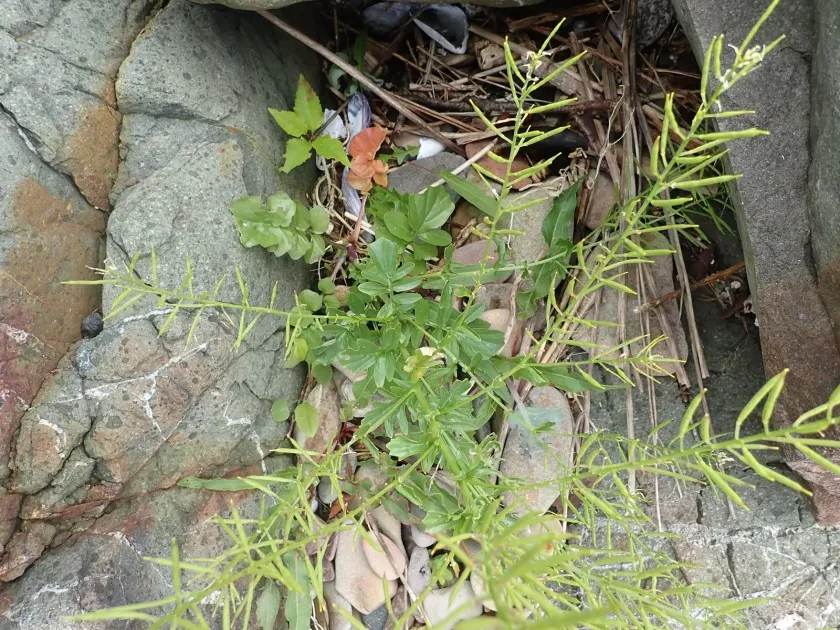
Description
Sowing dates
Barbarea vulgaris, commonly known as wintercress or yellow rocket, is a biennial herbaceous plant belonging to the Brassicaceae family. It is typically sown in early spring or late autumn to establish a strong root system before the onset of extreme temperatures.
The seeds are small and require a finely prepared seedbed to ensure good soil contact, which is essential for uniform germination and early plant development.
Sowing density usually ranges from 10 to 15 kg/ha, depending on the intended use, whether for mass green forage production or for seed harvesting purposes.
Wintercress is known for its ability to germinate in cool conditions, making it an excellent candidate for regions with short growing seasons and cold winters.
Precise planting depth of about 1–2 cm is recommended to ensure that seedlings have enough energy to emerge vigorously and compete against emerging weeds.
Growing requirements
The plant thrives in fertile, well-drained loam soils with a slightly acidic to neutral pH, though it is quite resilient to various soil types and moisture levels.
Although it prefers adequate moisture, Barbarea vulgaris demonstrates a moderate tolerance to drought once the root system has been well established in the field.
Full sun exposure is preferred to maximize biomass production, as shading can lead to thin, spindly stems and lower overall crop quality during the growth cycle.
Providing a balanced nutrient program, particularly with phosphorus and potassium, helps the crop develop stronger stems, which reduces lodging risks.
Cultural practices should emphasize clean field conditions, as the plant can be slow to establish initially and may suffer from intense weed competition.
Yield
Wintercress is utilized primarily as a multi-purpose crop, serving as both a source of early green fodder for livestock and a raw material for technical oil extraction.
When harvested for forage, the yield can reach 20–30 tons per hectare, offering high nutritional value during early spring when other green feed is scarce.
Seed production yields are typically in the range of 1.0–1.8 tons per hectare, provided that crop management practices effectively minimize damage from pests and diseases.
The seeds contain a high concentration of lipids, making the crop a potential candidate for industrial bio-based oil production in specialized markets.
Optimization of agricultural practices, including timely fertilization and weed control, is essential to consistently achieve high yields year after year.
Main diseases and pests
Common pests include the crucifer flea beetle and the pollen beetle, which can significantly damage leaves and flowering structures if left unchecked during critical phases.
Disease management is centered around preventing fungal infections like downy mildew and alternaria, particularly during periods of high humidity and rainfall.
Implementing a proper crop rotation strategy is vital to preventing the buildup of soil-borne pathogens that often affect crops within the Brassicaceae family.
Chemical control measures should be applied according to scouting reports to ensure that pest populations do not exceed economic injury thresholds.
- Use of certified, treated seeds.
- Regular field scouting during early development.
- Strategic fungicide application if symptoms appear.
Harvesting
Seed harvesting should be timed carefully when the pods turn brownish and the seeds reach a moisture content suitable for safe long-term storage, usually 12–14 percent.
Swathing may be advantageous in areas prone to late-season rains to reduce the risk of seed shattering and overall crop loss before the final harvest.
Forage harvest should be conducted just as the plant enters the early flowering stage to ensure the best balance of protein content and biomass digestibility.
Post-harvest processing involves immediate cleaning and drying of the seeds to prevent heating, which can significantly reduce viability and oil quality.
Efficient harvesting equipment and logistics are necessary to handle the crop quickly, ensuring that the harvest is completed during optimal weather conditions.
Reference
Connections · Wintercress
Most often together:
Marketplace


