
Alyssum argenteum
Alyssum argenteum All.
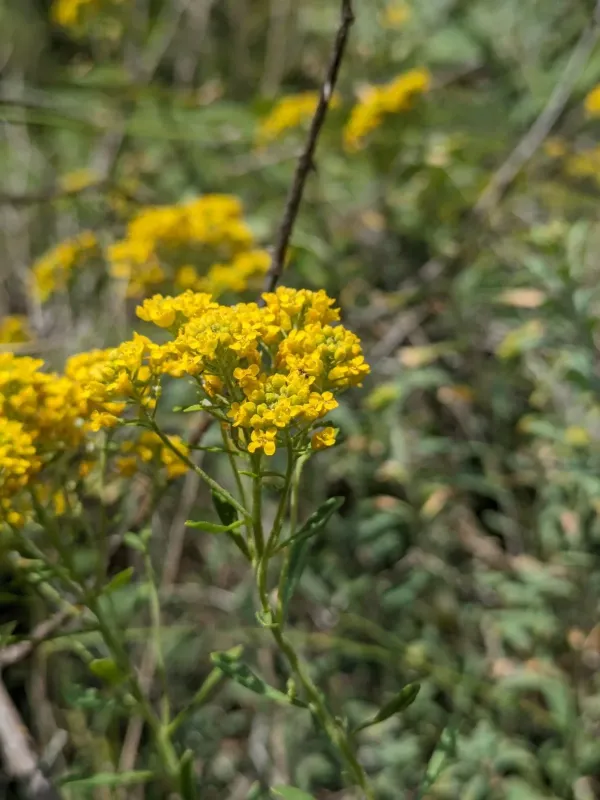
Description
Sowing dates
The sowing of Alyssum argenteum is best carried out in the spring as soon as the soil reaches a stable temperature of 10–15 degrees Celsius. Direct seeding in the soil is common for perennial borders, but starting in trays indoors during late winter is preferred for more controlled germination.
The seeds are exceptionally small and should be scattered over the surface of the growing medium without covering them with soil. Providing consistent light is necessary to trigger the germination process of this species.
After reaching the stage of true leaves, seedlings should be thinned or transplanted. A spacing of 25–30 cm between individual plants is ideal to allow for the development of healthy, dense growth patterns.
For late-season establishment, sowing in the autumn is also effective in regions with mild winters. Natural cold stratification helps break seed dormancy, resulting in more vigorous seedlings the following spring.
Ensure the soil remains moist but not waterlogged during the initial two weeks post-sowing. Once established, the seedlings are remarkably hardy and require minimal supplemental irrigation.
Growing requirements
Alyssum argenteum is a perennial member of the Brassicaceae family, well-adapted to harsh environmental conditions. It thrives in well-drained, nutrient-poor, or rocky soils, making it an excellent choice for xeriscaping.
This plant is strictly heliophilic, requiring full sun exposure to maintain its compact habit and intense flowering. Shade exposure inevitably leads to leggy growth and increased susceptibility to diseases.
Soil pH should remain near neutral or slightly alkaline. Unlike many horticultural crops, this plant performs poorly in highly fertile soils, which tend to encourage foliage growth at the expense of bloom density.
Cold hardiness is a defining feature of this species. It can withstand significant frost without specific protective measures, making it a reliable perennial for various climate zones.
Water management is the most critical maintenance aspect. Providing adequate drainage is necessary to prevent root crown decay, especially during periods of heavy rainfall in spring or autumn.
Yield
Economically, Alyssum argenteum is highly valued in apiculture due to its status as a prolific honey plant. The long flowering season provides a consistent nectar source for bees and various beneficial insects.
The agricultural application of this species includes its use in integrated pest management strategies. By attracting predators like hoverflies and parasitic wasps, it helps balance the ecosystem near major crop fields.
Regular maintenance pruning is the primary method to maximize the plant's aesthetic yield. Removing spent flowers prevents seed set and encourages the development of a secondary flush of blooms.
The plant exhibits high seed yield, allowing for simple propagation and the expansion of plantations. Harvesting should be timed for dry conditions to ensure proper seed quality and longevity.
Due to its dense root system, it is frequently utilized for soil stabilization on slopes, preventing water and wind erosion in degraded environments.
Main diseases and pests
Powdery mildew is the most common pathology, typically appearing during humid, stagnant weather conditions. Proper plant spacing is the most effective cultural control measure against this fungal threat.
Cruciferous flea beetles represent the most significant pest pressure, specifically attacking seedlings and young foliage. Damage can be mitigated using floating row covers during the early stages of growth.
Root rot occurs primarily in soils with poor drainage. Once roots become waterlogged, the entire plant may collapse, necessitating the removal of affected individuals to prevent further spread.
Aphid infestations can occur during rapid growth phases. While generally not fatal, large colonies can distort flower development and reduce the nectar potential of the plant.
- Maintaining dry conditions around the crown.
- Regular monitoring for early signs of beetle damage.
- Appropriate soil selection to prevent fungal growth.