
Wulfen's madwort
Alyssum wulfenianum Willd.
Description
Sowing dates
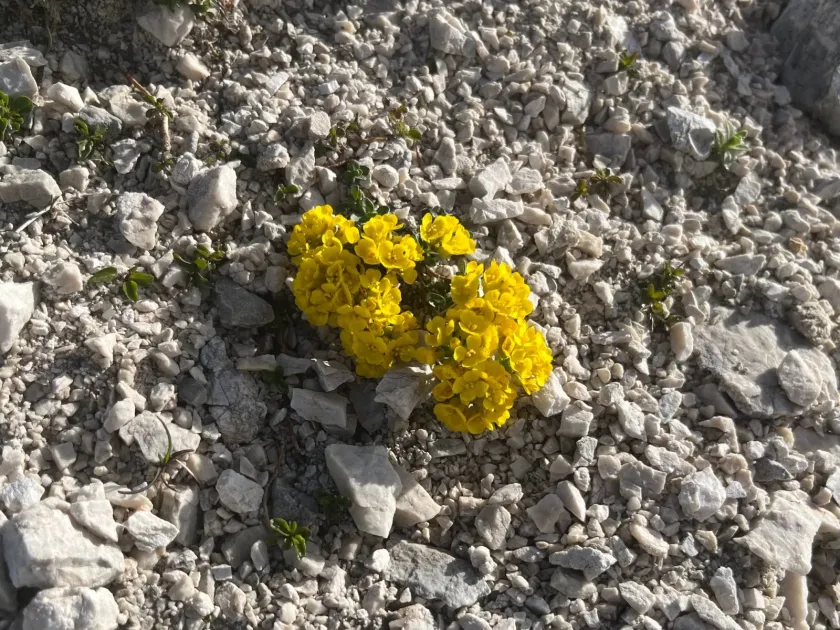
Wulfen's madwort (Alyssum wulfenianum) is a perennial herbaceous plant belonging to the Brassicaceae family. It is naturally found in the mountainous regions of Southern Europe, specifically in rocky alpine environments.
Sowing the seeds is best performed in early spring once the soil reaches a stable temperature. The seeds require light and proper drainage to germinate successfully, making them suitable for container or direct garden sowing.
This crop is highly valued for its compact growth habit and vibrant yellow flowers. In a professional landscaping context, it serves as an excellent ground cover for rock gardens and slopes.
The biological nature of the plant is adapted to survival in harsh conditions, which reduces the need for complex cultivation techniques. Once established, it remains relatively maintenance-free.
Proper spacing during sowing is crucial to ensure that each plant has enough room for development, preventing overcrowding and ensuring optimal airflow between the foliage.
Growing requirements
The plant thrives in well-drained, sandy, or rocky soil with a neutral to alkaline pH level. It is highly intolerant of waterlogged soil conditions, which can lead to rapid root decay.
Sunlight exposure is a critical factor for successful growth. Wulfen's madwort requires a full sun location to maintain its shape and promote heavy flowering throughout the season.
In terms of moisture, the plant is a xerophyte. It is drought-tolerant and requires irrigation only during prolonged periods of extreme heat when the soil is completely dry.
Fertilization should be kept to a minimum. Excessive nutrient application, especially nitrogen, promotes lush leaf growth but often inhibits the plant's natural flowering cycle.
Winter hardiness is excellent, as the species is adapted to alpine temperatures. Protecting the plant from excessive winter humidity is more important than protection from extreme cold.
Main diseases and pests
The primary threat to Wulfen's madwort is fungal disease, particularly rot, which is common in areas with poor drainage or stagnant air. Overwatering remains the leading cause of plant mortality.
Crucifer flea beetles are the most frequent insect pests. They feed on the leaves, leaving small holes and weakening the plant's ability to photosynthesize effectively during its growth phase.
Powdery mildew may occur if environmental conditions are overly humid and lack airflow. Maintaining a dry, well-ventilated space around the plants is the most effective preventative measure.
If chemical interventions are needed, always choose products labeled for ornamental use and prioritize applications that do not harm local pollinator populations.
Regular sanitation, including the removal of dead foliage after the flowering season, helps in preventing the accumulation of pathogens within the growing area.