
Alpine wallflower
Erysimum alpestre
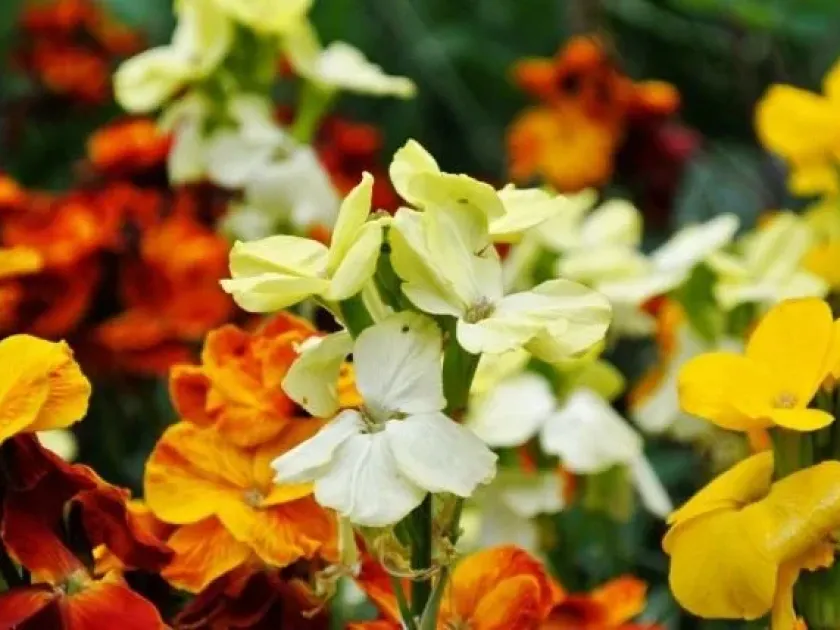
Description
Sowing dates
Sowing Alpine wallflower is best performed in early spring once the soil temperature consistently reaches 10-12 degrees Celsius. Seeds should be sown in a well-draining seedbed to prevent early-stage damping-off.
Cover the seeds lightly with no more than 1 centimeter of soil. Light is crucial for germination, so ensure that the seeds are not buried too deeply to maintain optimal emergence rates.
Thinning should be carried out once the seedlings develop their first true leaves, maintaining a spacing of approximately 25-30 centimeters to ensure adequate airflow between mature plants.
Late autumn sowing is also a viable strategy in temperate regions, providing the necessary cold stratification period that ensures a vigorous start for the following spring season.
Site selection remains a critical success factor; choose locations that offer full sun exposure throughout the day to support the plant's metabolic processes and flower development.
Growing requirements
Alpine wallflower, botanically known as Erysimum alpestre, belongs to the Brassicaceae family. It is a hardy perennial native to high-altitude mountainous regions in Europe.
The plant thrives in rocky, well-draining soils with a neutral to alkaline pH. Heavy clay soils must be amended with grit or sand to mimic the natural alpine conditions that the species requires for survival.
Alpine wallflower is exceptionally drought-tolerant once established. It requires minimal irrigation, making it an excellent candidate for water-wise gardening and sustainable agricultural projects.
In terms of temperature, this species is highly resistant to cold. However, it requires protection from excessive moisture during winter dormancy to prevent root crown rot caused by freeze-thaw cycles.
The nutritional needs are moderate; over-fertilization should be strictly avoided as it promotes excessive vegetative growth and decreases the plant's structural integrity and flowering potential.
Main diseases and pests
The crucifer flea beetle represents the most significant pest challenge for Erysimum alpestre. It specifically targets young foliage, often causing extensive damage if not managed early.
Fungal pathogens such as downy mildew can become an issue in stagnant air conditions. Improving drainage and increasing the distance between individual plants are the most effective preventive measures.
Root rots are frequently associated with poor soil management, particularly in poorly drained environments. Ensuring the correct soil structure is the primary defense against these debilitating conditions.
Crop rotation is essential to prevent the buildup of soil-borne pathogens, particularly clubroot, which can devastate members of the Brassicaceae family if they are planted in the same spot for consecutive years.
- Crucifer flea beetle
- Downy mildew
- Root rot
- Clubroot