
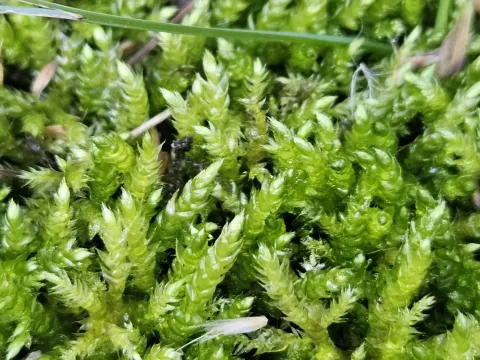
Brachythecium
Brachythecium
Brachythecium is a significant genus of mosses belonging to the Brachytheciaceae family. These bryophytes are widely distributed across the Northern Hemisphere and are integral components of ground cover in various forest ecosystems.
What the section contains


Brachythecium
Botanically, Brachythecium mosses are characterized by their feathery, creeping growth patterns. They form dense mats that effectively cover the soil surface, decaying logs, and the bases of tree trunks in moist habitats.
These plants have specific requirements regarding humidity and moisture levels. They thrive in environments where ambient air humidity remains high, which allows them to maintain their metabolic processes throughout the growing season.
Regarding soil and substrate, they prefer sites rich in organic matter. They are highly adaptable to various pH levels, but they flourish most in slightly acidic to neutral forest soils that retain consistent moisture.
While not a traditional agricultural crop, Brachythecium species are valuable in environmental management. They serve as excellent ground stabilizers, protecting forest floors from erosion and maintaining a moist microclimate for other organisms.
The primary threats to Brachythecium populations include habitat loss due to deforestation and significant changes in local hydrological conditions. Drainage of forested wetlands is particularly devastating to these mosses.
As bioindicators, Brachythecium mosses are extremely sensitive to air and soil pollution. High levels of nitrogen deposition from nearby agricultural activities can alter the local microflora and promote species that outcompete the mosses.
Pathogenic fungi can pose a risk to the integrity of the moss mats, especially during unusually warm and stagnant weather conditions. These infections can lead to localized necrosis within the colonies.
Human-induced mechanical disturbances, such as heavy machinery operation in forests, can cause direct destruction of the bryophyte layer. Recovery from such damage is typically a very slow process due to the slow growth rate of the species.
Climate change, manifesting as prolonged drought periods, forces the mosses into dormancy and reduces their ability to recover. Consistent management of forest ecosystems is essential to preserve their natural habitats.