
Smooth-stalked brachythecium
Brachythecium salebrosum
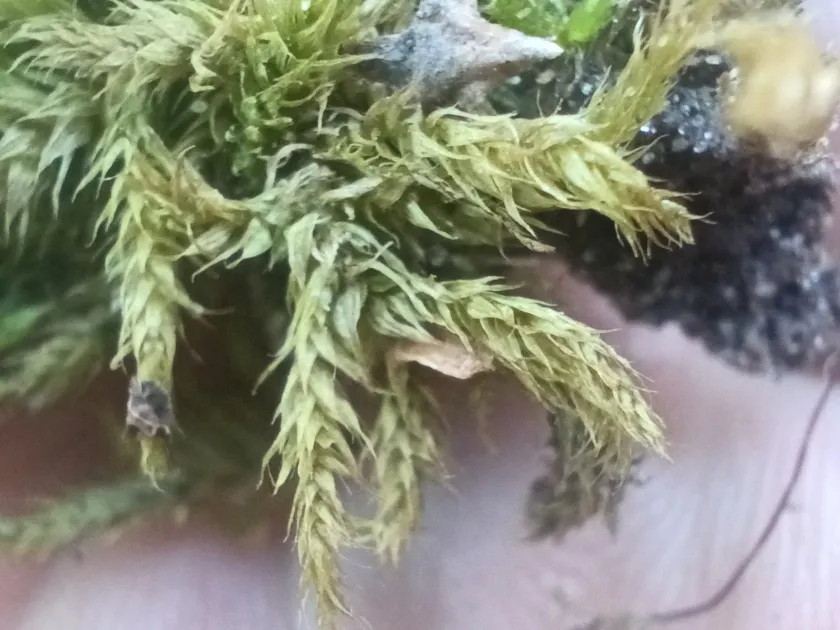
Description
Growing requirements
The smooth-stalked brachythecium (Brachythecium salebrosum) is a common moss species belonging to the Brachytheciaceae family. It is widely recognized for its ability to form dense, glossy green carpets in forest environments.
The plant has a cosmopolitan distribution, thriving across the Northern Hemisphere. It prefers habitats with high humidity and moderate light, often found growing on soil, decaying logs, and the bases of trees.
Regarding soil requirements, it favors substrates rich in organic matter. Its physiological structure allows it to absorb water directly from the atmosphere and ambient humidity, making it highly dependent on forest microclimates.
In terms of ecological maintenance, the moss serves as a ground stabilizer. It effectively prevents soil erosion in forest areas and plays a critical role in the nutrient cycling process of the forest floor.
Cultivation for landscape purposes involves maintaining high humidity levels and preventing excessive evaporation. It is often used in specialized terrariums and shade garden designs due to its aesthetic appeal.
Main diseases and pests
Environmental stress, particularly atmospheric pollution, remains the greatest threat to this moss. Being a bryophyte, it lacks a cuticle, which makes it highly susceptible to air contaminants.
Habitat loss due to urbanization and forestry mismanagement poses a significant risk to the stability of Brachythecium salebrosum populations globally.
Fungal pathogens can occasionally affect the moss during periods of stagnant high humidity, leading to the development of necrotic spots within the dense colony mats.
While insect pests do not target this moss as a food source, trampling and soil compaction caused by livestock or heavy machinery can severely damage its physical structure.
Climate change and subsequent alterations in local hydrological cycles may cause the moss to retreat from its traditional habitats, as it is unable to adapt to persistent dry conditions.