
Solenanthus apenninus
Solenanthus apenninus
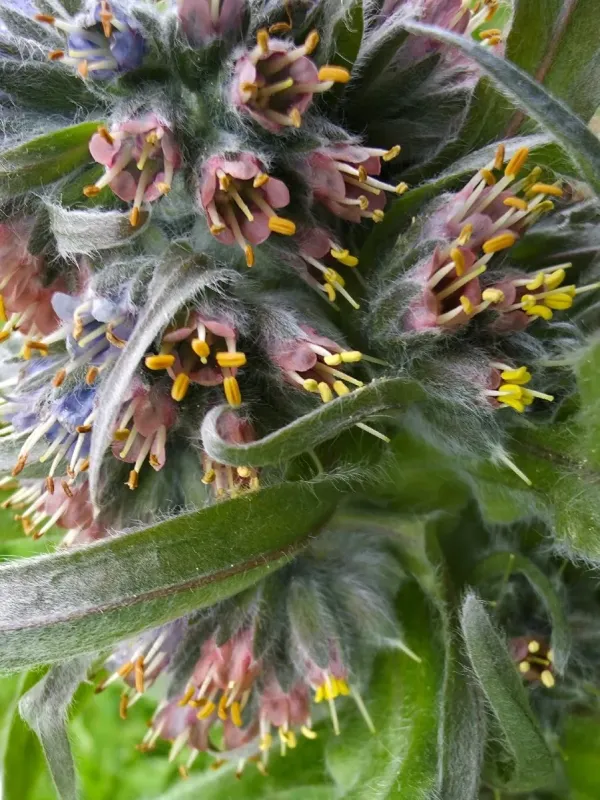
Description
Sowing dates
Sowing Solenanthus apenninus seeds is most effectively performed in autumn to allow for cold stratification during winter, which significantly increases germination rates.
For spring planting, seeds must undergo cold stratification in a refrigerator at temperatures between 2°C and 5°C for at least 4 to 6 weeks.
The seeds should be sown at a shallow depth of about 1 centimeter into well-draining, sterile soil to prevent dampening off during the germination process.
A spacing of 40 to 50 centimeters is recommended between individual plants to accommodate the spreading habit of the basal rosette.
Vegetative propagation via division is an alternative method, best performed in early spring before the plant enters its rapid growth phase.
Growing requirements
Solenanthus apenninus is a perennial member of the Boraginaceae family, native to the mountainous regions of Italy, adapting well to cool environments.
The plant thrives in partial shade but can tolerate full sun provided the soil moisture is kept consistent throughout the growing season.
Well-drained soil is a non-negotiable requirement for this species, as it is highly susceptible to root rot if the roots are left in waterlogged soil.
The species is quite hardy and capable of surviving cold winters, making it an excellent candidate for temperate rock gardens and border plantings.
Regular maintenance involves light weeding and ensuring adequate soil aeration to promote a healthy root system and vigorous flowering shoots.
Main diseases and pests
Fungal diseases, particularly those affecting the root zone, are the primary threat to the health of Solenanthus apenninus during periods of high humidity.
Aphids can occasionally infest the flower buds and young foliage, which can be managed with simple insecticidal soaps or neem oil applications.
To minimize disease pressure, it is essential to maintain good air circulation around the plants and avoid overhead watering in the evenings.
Slugs and snails may occasionally feed on the leaves, especially during wet springs, necessitating the use of mechanical barriers if infestation occurs.
Proper plant spacing and the removal of dead foliage are critical cultural practices to ensure the plant remains resilient against environmental stresses.