
Solenanthus biebersteinii
Solenanthus biebersteinii
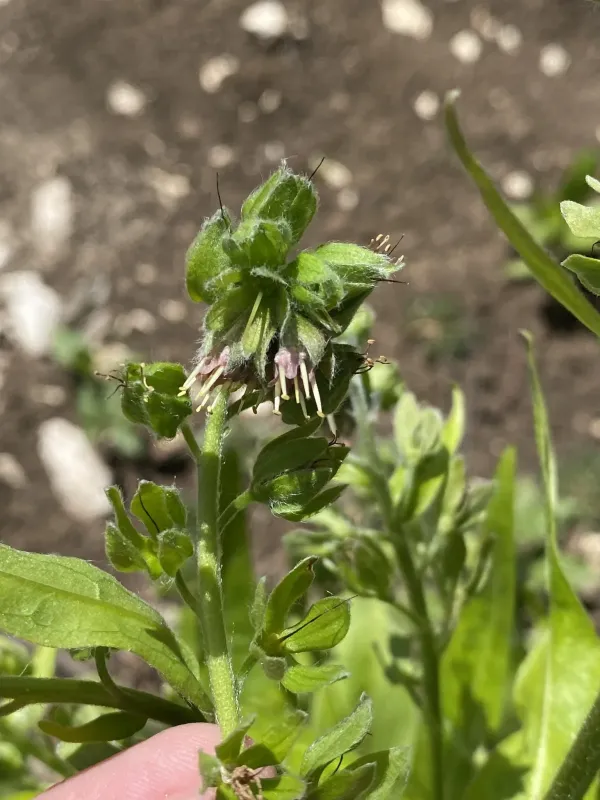
Description
Sowing dates
The propagation of Solenanthus biebersteinii is typically conducted through seeds, which often require cold stratification to break dormancy. Sowing in late autumn or early spring is recommended to mimic natural conditions, ensuring that seeds undergo the necessary temperature fluctuations.
When sowing in trays, use a well-draining, sterile potting mix to minimize the risk of damping-off. Seeds should be covered lightly with a thin layer of soil, as they need indirect light to germinate effectively within the expected timeframe.
Spacing is critical during the initial development phase. Once seedlings develop their first true leaves, they should be transplanted to individual pots or spaced sufficiently in the nursery bed to allow for proper air circulation and root development.
The speed of germination can vary depending on seed age and storage conditions. Maintaining consistent moisture without saturating the medium is the key to achieving a high percentage of successful germination in this species.
Field sowing requires thorough preparation of the seedbed to remove debris and weeds. After emergence, regular weeding is essential to prevent competitive species from overwhelming the slow-developing young plants.
Growing requirements
Solenanthus biebersteinii, a member of the Boraginaceae family, is naturally adapted to rugged, mountainous environments. It thrives in well-drained, porous soils, showing a preference for rocky or gritty substrates that prevent moisture accumulation around the root collar.
This species demands full sun exposure to flourish and maintain its structural integrity. While it can tolerate partial shade for limited periods, optimal flower production and growth are achieved only under direct sunlight throughout most of the day.
The plant is highly resilient to cold and wind, making it suitable for temperate regions with diverse climatic conditions. Its natural habitat implies an adaptation to poor, alkaline, or neutral soils, negating the need for heavy fertilization.
Watering requirements are moderate; the plant prefers to dry out slightly between irrigation cycles. Overwatering is the most significant danger to the species, as it often leads to root rot and other fatal physiological issues.
Regarding overall maintenance, the plant requires little intervention once established. Annual removal of dead foliage at the end of the season helps maintain the plant's health and promotes vigorous regrowth in the subsequent spring.
Main diseases and pests
Fungal infections are the primary threat to the health of Solenanthus biebersteinii, particularly in environments with poor soil drainage. Root rot pathogens can spread rapidly, leading to the sudden decline and death of the plant if conditions remain consistently soggy.
Pests such as aphids and sap-sucking insects may infest the soft tissues during the peak growing season. While the plant is generally robust, these infestations can cause stunted growth and reduced vigor if left unchecked by the gardener.
Powdery mildew may manifest as a white film on the leaves during periods of high humidity and poor airflow. Managing plant density and ensuring good ventilation around the foliage are effective preventative measures against this condition.
Soil-dwelling nematodes can occasionally affect the root system, causing yellowing of leaves and overall weakness. Crop rotation and maintaining soil health through diverse cultural practices are the best defenses against these subterranean pests.
Overall, Solenanthus biebersteinii is relatively resistant to major agricultural diseases. Most health issues arise from improper placement or excessive water, reinforcing the need for strict adherence to site selection and irrigation protocols.