
Solenanthus stamineus
Solenanthus stamineus
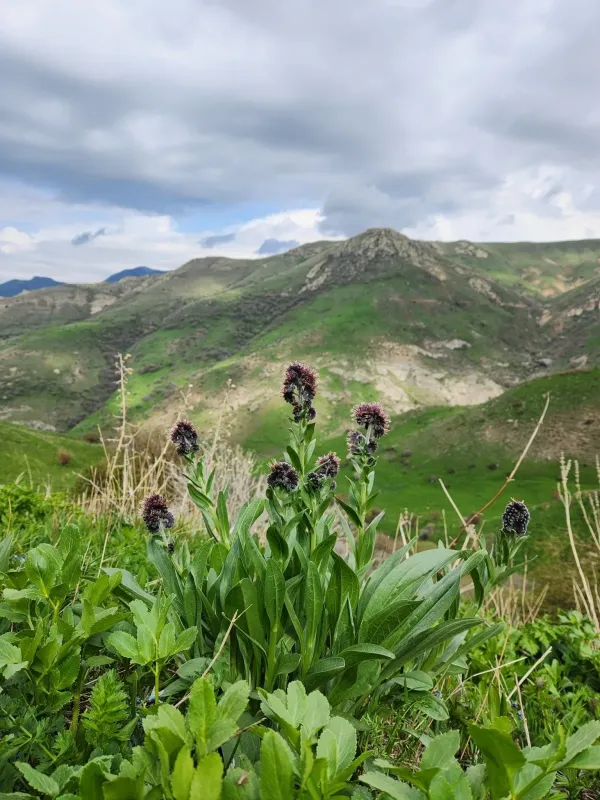
Description
Growing requirements
Solenanthus stamineus is a perennial herbaceous plant belonging to the Boraginaceae family. Originally from mountainous regions, including Crimea and the Caucasus, it is well-adapted to rocky, well-drained soils and harsh environmental conditions.
The plant features a strong taproot and a rosette of leaves, with flowering stems that can reach significant heights. Its botanical structure reflects its adaptation to low-moisture environments, making it a robust species in favorable settings.
Optimal growth requires sunny locations with well-draining, slightly alkaline or neutral soil. While the plant can tolerate partial shade, full sunlight is preferred to ensure optimal development and maximum flower production.
Regarding climate, this species is winter-hardy and capable of enduring significant temperature fluctuations. It is a low-maintenance crop, as it does not require frequent irrigation or heavy applications of chemical fertilizers to thrive in its native-like conditions.
In terms of land use, Solenanthus stamineus is highly valued in ornamental landscaping and apiculture. As a significant early-season nectar source, it plays a vital role in supporting pollinator populations within diverse ecosystems.
Main diseases and pests
The primary threat to Solenanthus stamineus is waterlogging, which inevitably leads to root rot. Excessive moisture around the crown and root zone is the most common cause of plant decline in garden settings.
Pests, particularly aphids, can pose a challenge by infesting tender stems and flower buds. Regular monitoring and, when necessary, targeted treatments are essential to maintain plant health throughout the season.
Cultural prevention remains the best defense against diseases. Ensuring a high-quality drainage system and avoiding overly dense plantings are critical steps in preventing the onset of soil-borne pathogens.
If leaf spot or other fungal diseases are observed, prompt removal of affected plant parts is recommended to prevent further spread. The use of organic fungicides may be necessary in high-humidity seasons.
Maintaining a weed-free area around the base of the plant reduces the risk of pest infestation and ensures that the species has sufficient access to light and nutrients for vigorous growth.