
Solenanthus tubiflorus
Solenanthus tubiflorus
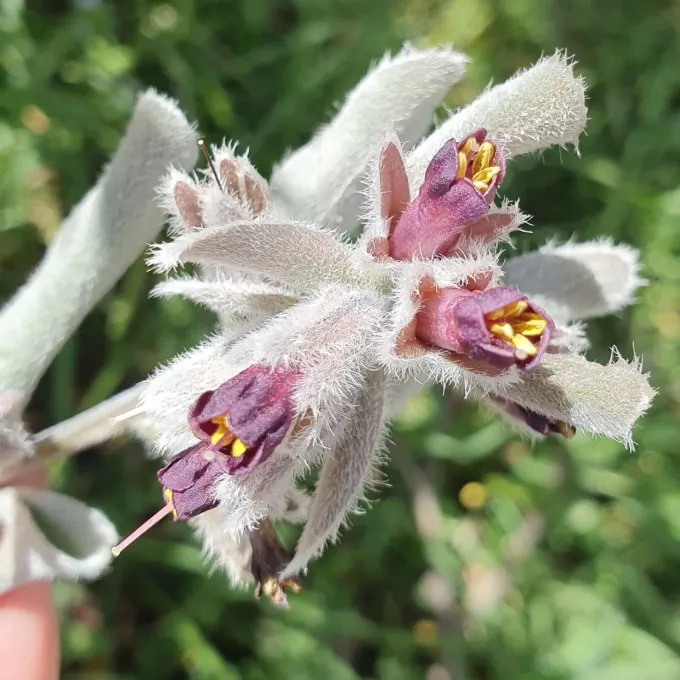
Description
Growing requirements
Solenanthus tubiflorus is a perennial plant belonging to the Boraginaceae family. It is native to mountainous regions, where it has evolved to thrive in specialized environmental conditions.
The plant requires well-drained, porous soil to prosper. In horticultural settings, it is best suited for rock gardens or scree beds where the substrate mimics its natural rocky habitat.
Exposure to full sun is critical for the development of healthy foliage and flower stalks. While the species is drought-tolerant, it performs best when provided with consistent, moderate watering during the spring growth phase.
Botanically, it features a robust root system and distinctive tubular flowers. Its growth habit is compact, making it an excellent candidate for alpine gardens that require low-maintenance specimens.
Cultural practices should focus on minimal soil disturbance. Periodic fertilization with low-nitrogen, phosphorus-rich fertilizers helps encourage robust blooming and sustains overall plant vigor.
Main diseases and pests
The primary concern for Solenanthus tubiflorus is root rot caused by poor soil drainage. Waterlogged conditions during winter months are often fatal to this specific mountain-adapted species.
Slugs and snails frequently target the succulent foliage. Protective barriers like crushed gravel or commercial slug deterrents are recommended to preserve the integrity of the basal leaves.
Aphids can occasionally colonize the flower buds, hindering proper blooming. If left unchecked, these insects can weaken the plant and reduce its aesthetic value during the flowering season.
Proper aeration is the best defense against fungal pathogens. It is essential to ensure that the surrounding area is free of rotting organic matter that could harbor harmful spores.
Vigilance during the wet season is necessary to prevent infections. Regular inspection of the crown and root collar area allows for early detection and treatment of potential issues.