
Southern houndstongue
Cynoglossum australe
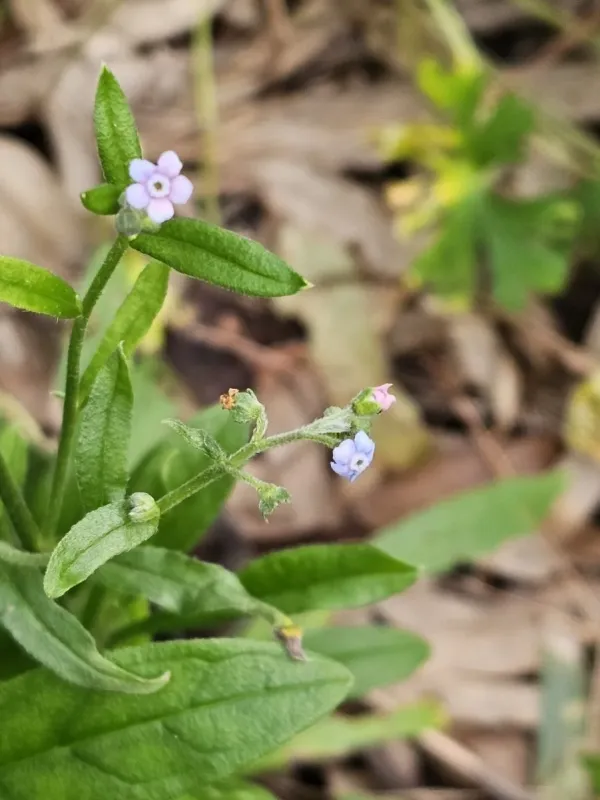
Description
Sowing dates
Southern houndstongue belongs to the Boraginaceae family. It is a biennial or perennial herbaceous plant that is typically sown in early spring, once the soil temperature consistently reaches 8–10 degrees Celsius.
The seeds possess a relatively thick coat, requiring pre-sowing stratification or soaking in growth promoters to enhance germination rates in field conditions. The planting depth should be maintained at 2–3 centimeters in light soils.
Winter sowing is also a viable method, as natural stratification helps achieve more uniform and vigorous seedlings in the spring. However, this requires adequate snow cover or mulch to prevent frost damage to the seeds.
The spacing between rows should be set at 45–60 centimeters to allow enough room for the rosette to develop during the first year of growth. This spacing also facilitates easier weed control and mechanical inter-row cultivation.
Early-stage growth is focused on building a strong root system, which is vital for the plant to withstand future environmental stresses. Proper soil preparation before sowing significantly contributes to the overall vigor of the crop.
Growing requirements
Southern houndstongue thrives in open, sunny locations with well-drained, fertile soils. Sandy loam and loamy soil types are ideal for optimizing growth and maintaining root health throughout the vegetative phase.
The plant is highly drought-tolerant due to its deep taproot, yet supplementary irrigation during critical growth stages can significantly improve the yield of both foliage and reproductive structures.
Soil pH levels should ideally range between 6.0 and 7.5. Good drainage is essential, as the plant is susceptible to root rot if exposed to waterlogged conditions for extended periods during the growing season.
Balanced fertilization, particularly the inclusion of phosphorus and potassium, helps improve plant resilience to winter conditions and enhances the quality of the harvested biomass for medicinal or other industrial uses.
Maintaining a weed-free environment is critical during the establishment phase, as the plant grows slowly in its first year and may be easily outcompeted by aggressive weeds in the field.
Yield
Yield metrics for Southern houndstongue are primarily based on the dry mass harvested for medicinal purposes or seed production. Commercial production can yield approximately 1.5 to 2.0 tonnes per hectare depending on management.
The plant serves as an excellent nectar source during its second year of life, attracting numerous pollinators. In optimal environments, it provides significant value to honey production operations due to its nectar composition.
Seed harvesting must be timed carefully as seeds tend to ripen unevenly. A multi-stage harvest approach, cutting when the lower sections of the inflorescences turn brown, helps minimize losses during the harvesting process.
Product quality depends heavily on post-harvest handling and drying techniques. Rapid drying in shaded, well-ventilated conditions is required to prevent fungal contamination and preserve active biological compounds.
Optimizing planting density and nutrition management is key to achieving higher yields. Integrated crop management practices, including site selection, contribute to consistent output for industrial buyers.
Main diseases and pests
While relatively robust, Southern houndstongue can be susceptible to fungal diseases, such as powdery mildew and various leaf spots, especially in regions with high humidity and poor air circulation.
Pests such as aphids and weevils may cause damage to the foliage during the early spring growth flush. Integrated pest management strategies, including monitoring and timely application of bio-insecticides, are recommended.
Wireworms can be a problem in fields where the crop follows long-term grasses or pastures. Pre-planting soil testing and site preparation are essential steps for mitigating potential soil-borne threats.
- Powdery mildew (fungicide application if necessary).
- Aphids (use of biological controls).
- Weevils (agronomic monitoring).
- Root rot (improving field drainage).
Responsible use of pesticides is mandatory, particularly if the crop is intended for medicinal or honey production, to ensure that residue levels remain below safety thresholds and do not harm beneficial pollinators.
Harvesting
For pharmaceutical use, the aerial parts should be harvested during the peak flowering stage when the concentration of biologically active compounds is at its highest within the stems and leaves.
Roots are harvested in the autumn of the second year or in early spring before the plants initiate rapid growth. This timing ensures the highest content of secondary metabolites required for industrial processing.
Once harvested, raw material must be cleaned thoroughly of soil and debris, washed, and prepped for the drying phase. Using specialized drying ovens at temperatures not exceeding 45 degrees Celsius is critical for quality.
Proper storage is essential to maintain product shelf-life. The dried product should be kept in cool, dark, and moisture-proof environments to prevent degradation and contamination by pests or mold.
Quality control standards involve testing for moisture content, purity, and active ingredient concentration. Meeting these standards is essential for selling the raw material into global botanical and pharmaceutical markets.