
Virginia waterleaf
Hydrophyllum virginianum
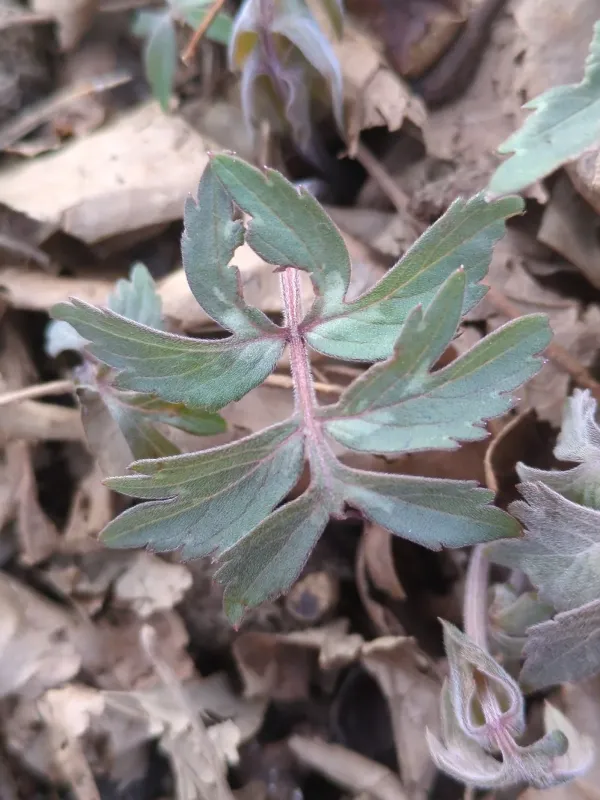
Description
Sowing dates
Propagation of Virginia waterleaf (Hydrophyllum virginianum) is best achieved through seeds, which require a cold stratification period to break dormancy. Sowing in late autumn allows for natural winter chilling.
If spring sowing is preferred, seeds must be stratified for 8-12 weeks in a refrigerated environment. Seeds should be planted at a shallow depth of about 1 centimeter in moist, fertile soil.
Planting density is crucial for healthy development. Space rows approximately 45-50 centimeters apart, allowing each plant enough room to spread, as it is a vigorous grower in favorable environments.
Vegetative propagation via division of established clumps can be done in early spring or autumn. Ensure that each division has a healthy root section to facilitate rapid re-establishment in the new planting site.
Fresh seeds typically yield the highest germination rates. If storing seeds, keep them in a cool, dark, and dry environment to preserve their viability until the next sowing season.
Growing requirements
Virginia waterleaf is a member of the Boraginaceae family and is native to the deciduous forests of North America. It thrives in conditions that mimic its natural woodland habitat.
The crop prefers humus-rich, moist, and well-drained soils. A pH level ranging from neutral to slightly acidic is ideal. Avoid planting in waterlogged areas to prevent root damage.
Shade tolerance is a key characteristic of this plant. It should be cultivated in partially shaded areas, as direct afternoon sun can scorch the foliage and reduce the plant's overall vigor.
Regarding climate, the plant is hardy and adapts well to temperate regions with consistent moisture levels. It does not require special winter protection in regions with standard cold winters.
In agricultural and ornamental contexts, it serves as a valuable nectar source for bees and as a nutritional leafy green in early spring, often used similarly to spinach.
Main diseases and pests
Powdery mildew is the most common fungal disease, especially during periods of high humidity and poor airflow. Managing plant spacing is the most effective preventative measure.
Root rot occurs in poorly drained soils. Improving soil structure with organic amendments helps manage moisture retention while ensuring excess water can percolate away from the roots.
Slugs and snails are the primary pests that damage tender foliage in the spring. Barrier methods, such as copper tape or organic baits, can effectively mitigate damage to young shoots.
Aphids might infest the growing tips during dry spells, causing minor curling of the leaves. Maintaining proper plant hydration and using natural predators or organic soap sprays is recommended.
Virginia waterleaf is generally a robust species. If the environmental requirements regarding shade and moisture are met, the plant rarely suffers from severe pest outbreaks or debilitating diseases.
Harvesting
Harvesting the young leaves of the Virginia waterleaf for consumption is typically performed in mid-to-late spring. Only harvest the outer, younger leaves to keep the central crown healthy.
For seed collection, monitor the flower stalks as they mature. Once the seed pods turn a dry brown color, harvest them promptly before they shatter and disperse seeds on the ground.
Beekeepers favor this crop for its high nectar secretion. Harvest timing for honey is strictly linked to the blooming period, which usually peaks in late spring, providing a critical early food source.
After the growing season, clear away dead vegetative debris to keep the area tidy and prevent the accumulation of fungal pathogens or overwintering insect pests.
Dried seeds should be cleaned of chaff and stored in a breathable container. Ensure the storage area remains cool and dry until the time comes to prepare them for the next stratification cycle.