
Hydrophyllum capitatum
Hydrophyllum capitatum
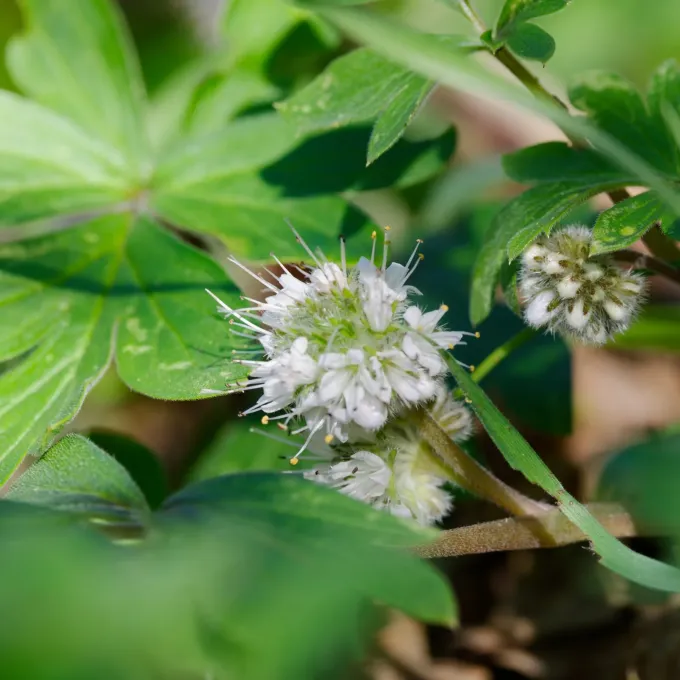
Description
Sowing dates
Hydrophyllum capitatum seeds require a period of cold stratification to break dormancy, making fall sowing the most effective method for this crop.
When sowing in the autumn, seeds should be placed at a shallow depth of approximately 1 to 2 centimeters to ensure protection during the winter months.
In spring planting scenarios, it is critical to artificially stratify seeds in a damp medium at temperatures near freezing for several weeks before putting them into the soil.
Uniform spacing during the sowing process is vital to allow for adequate airflow between plants, which is essential for disease prevention as the plant matures.
Soil should be prepared to a fine tilth, ensuring that there is good contact between the seed and the soil to promote consistent germination rates.
Growing requirements
This species thrives in woodland or semi-shaded environments, avoiding direct, intense sunlight which can scorch the delicate foliage of the plant.
Hydrophyllum capitatum requires moist, well-draining soil rich in organic matter to mimic its natural forest-floor habitat and support healthy vegetative growth.
The plant is sensitive to prolonged dry spells, necessitating supplemental irrigation during periods of low rainfall to maintain optimal hydration levels.
Soil pH should ideally be neutral to slightly acidic, as extreme values can hinder nutrient uptake and lead to signs of chlorosis or stunted development.
Regular application of compost or organic fertilizer during the early stages of growth will significantly improve the biomass and quality of the crop.
Main diseases and pests
The primary threats to Hydrophyllum capitatum include root rot diseases, which often result from poor soil drainage and waterlogging in the root zone.
Slugs and snails are major pests that feed on the succulent leaves, especially during the cool, damp spring weather when the plant is most vulnerable.
Powdery mildew can occur in stagnant air conditions or when plants are grown too close together, requiring management through thinning and fungicide application.
Regular inspection of the foliage is necessary to detect aphid infestations, which can sap the plant's vitality if left uncontrolled for an extended period.
Maintaining a weed-free perimeter around the crop reduces the risk of competition for nutrients and limits the habitat for common garden pests and pathogens.
Harvesting
Harvesting is best timed when the plant is in full bloom, which is when the concentration of desirable compounds is at its peak for agricultural use.
Care should be taken to harvest by hand, using clean tools to make precise cuts that allow the base of the plant to remain undamaged for potential regrowth.
Post-harvest handling involves drying the collected material in a cool, dark, and well-ventilated area to ensure that the quality remains intact during the process.
Drying must be thorough to prevent any potential mold growth that can occur if the moisture content of the stored plant material remains too high.
Once dried, the crop should be stored in airtight containers within a cool and dark environment to preserve the efficacy and longevity of the raw material.