
Fendler's waterleaf
Hydrophyllum fendleri
Description
Growing requirements
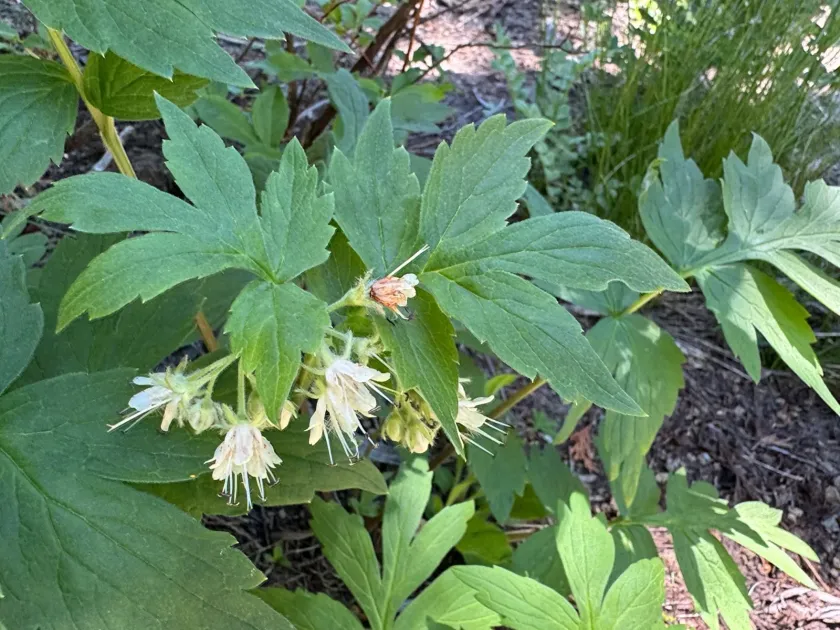
Fendler's waterleaf (Hydrophyllum fendleri) is a herbaceous perennial plant belonging to the Boraginaceae family. It is native to shaded, moist regions, often found in woodland habitats across parts of North America.
The plant thrives in soil conditions that mimic its natural habitat. It requires loose, rich, and well-draining soil that is consistently moist. High organic matter content is essential for sustaining vigorous growth.
Regarding climate, Fendler's waterleaf prefers cool to moderate temperatures. It is highly shade-tolerant, making it an excellent candidate for forest gardens or shaded garden areas where other crops struggle.
Maintenance of soil moisture is the primary pillar of its agronomy. During active growth periods, avoiding drought stress is crucial, as the plant's broad leaves are sensitive to dehydration and heat damage.
To improve cultivation success, growers should apply organic mulch. This practice suppresses competitive weeds while effectively regulating soil temperature and moisture retention throughout the growing season.
Main diseases and pests
The most common disease threats involve fungal infections, such as root rot or leaf spots, which are often triggered by waterlogged conditions or poor air circulation within the plant canopy.
Slugs and snails are the most frequent pests, particularly in moist, shady environments where the plant thrives. These mollusks can cause significant defoliation, requiring constant monitoring and intervention.
In certain instances, aphids may colonize the foliage during stress periods. Integrated pest management, focusing on early detection and the use of natural predators, is recommended over heavy chemical reliance.
Proper spacing between plants is a vital preventative measure. Ensuring adequate room for air movement helps minimize the spread of moisture-borne pathogens and keeps the foliage dry during humid weather.
Field sanitation remains a key practice. Regularly removing dead or decaying leaves ensures that the plant remains vigorous and less susceptible to opportunistic diseases during the transition seasons.