
Lanceolate hound's tongue
Cynoglossum lanceolatum
Description
Growing requirements
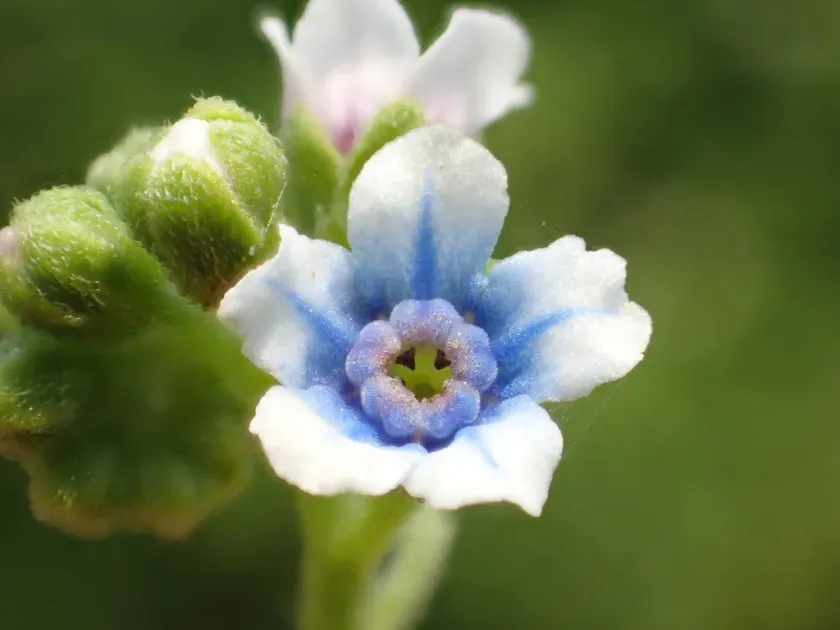
Cynoglossum lanceolatum, commonly known as lanceolate hound's tongue, is a perennial herbaceous plant belonging to the Boraginaceae family. This species is native to diverse ecological zones in Africa and Asia, showing significant adaptation to varying environmental conditions.
Optimal growth requires well-drained, nutrient-rich soils. The plant thrives in loamy soils with a pH ranging from 6.0 to 7.5. Good aeration of the substrate is vital, as the plant's deep taproot system is sensitive to waterlogging, which often leads to root collar decay.
Regarding climate, the species prefers warm temperatures and is sensitive to frost. It is typically found in habitats with moderate rainfall, though it exhibits some tolerance to short dry spells once the root system is well-established.
Cultivation practices involve regular inter-row hoeing to prevent crusting of the soil surface. Such mechanical intervention promotes better moisture infiltration and enhances the overall vigor of the crop throughout the growing season.
The plant has recognized potential in herbal medicine due to its secondary metabolites. Modern cultivation aims at optimizing harvest times to maximize the concentration of bioactive compounds used in various industrial applications.
Main diseases and pests
The primary pathological threats to the crop include various leaf spot diseases and powdery mildew. These fungal issues are exacerbated by high humidity levels and lack of proper canopy ventilation within the field.
Insects such as aphids and spider mites are common pests that affect plant health. By feeding on the phloem sap, these pests stunt plant growth and can drastically reduce the commercial value of the harvested biomass.
Integrated Pest Management (IPM) strategies are recommended to maintain plant health. These include crop rotation, the use of resistant varieties where available, and the application of selective biological controls.
Slugs and snails can pose a significant threat during the seedling stage, especially in wet and humid conditions. Protecting the young plants with physical barriers or organic baits is essential for successful stand establishment.
Regular scouting is an integral part of agronomical maintenance. Timely identification of pest outbreaks allows for the implementation of localized control measures, which helps maintain the quality and safety standards required for the market.