
Pacific waterleaf
Hydrophyllum tenuipes
Description
Growing requirements
The Pacific waterleaf (Hydrophyllum tenuipes) is a perennial herbaceous plant belonging to the Boraginaceae family. It is native to the moist, forested regions of the Pacific Northwest, where it thrives in shaded and undisturbed natural habitats.
This species requires deep shade or partial shade to flourish. In a garden setting, it is best suited for woodland patches where it can be shielded from harsh midday sun, which can quickly cause leaf scorch and dehydration.
For optimal growth, Hydrophyllum tenuipes demands consistently moist, organic-rich soil. It thrives in loamy substrates that mirror the forest floor, providing essential nutrients through decomposed leaf matter and maintaining a steady water balance.
Agricultural practices focus primarily on soil moisture management. It is crucial to prevent the soil from drying out completely, especially during the active spring growth period when the plant forms its foliage and flowering stalks.
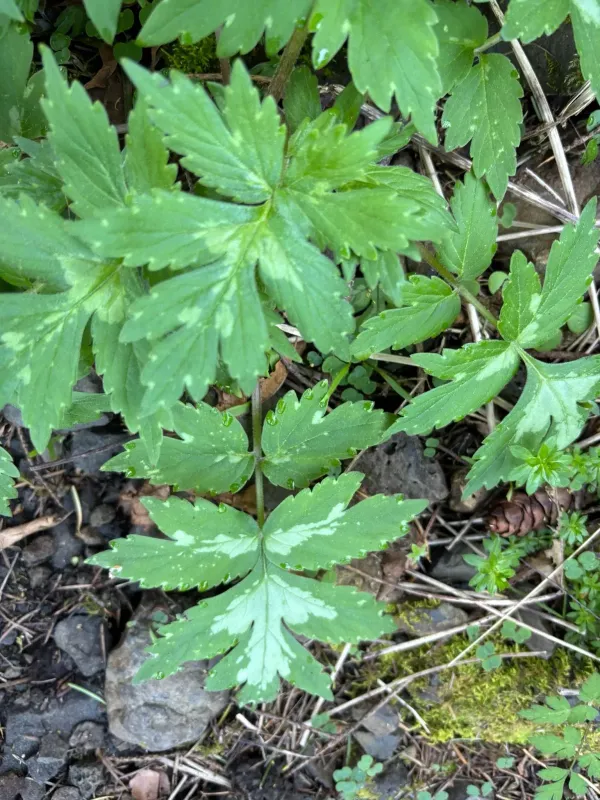
Botanically, the plant is characterized by its large, deeply lobed leaves that often exhibit distinct mottling. Its delicate flowers, which bloom in spring, are typically clustered in cymes, providing aesthetic value in forest-themed landscaping designs.
Main diseases and pests
Slugs and snails are the most prominent pests for this species. During wet springs, these mollusks can rapidly defoliate the plant, requiring the use of manual barriers or organic deterrents to protect the vulnerable leaves.
Fungal diseases, such as leaf spots and root rots, represent the most significant threat to plant health. These conditions are usually triggered by poor air circulation or waterlogged soil, which creates an ideal environment for pathogenic fungi.
Aphids can occasionally infest the flower buds during the peak bloom season. While rarely fatal, they can distort the flower stems and weaken the plant, making it necessary to monitor the population and apply treatments if damage persists.
Root competition from invasive weeds or nearby trees can starve the Pacific waterleaf of necessary nutrients and water. Regular weeding and providing a thick layer of organic mulch help maintain soil health and suppress unwanted plant encroachment.
Overcrowding leads to increased humidity around the foliage, which invites mildew. Proper spacing is essential to ensure adequate airflow, which is the best preventative measure against most foliage diseases affecting this perennial species.