
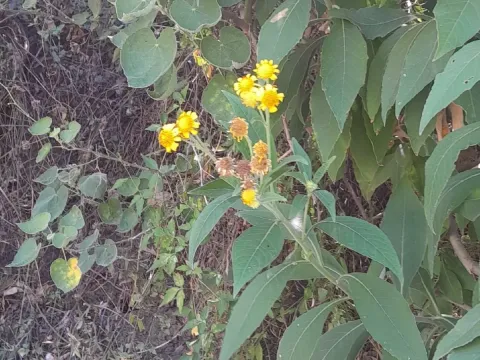
Verbesina subcordata
Verbesina subcordata
Verbesina subcordata is a herbaceous perennial plant belonging to the Asteraceae family. Known for its robust growth habit, this species occupies a specific place in agricultural research due to its potential as a specialized biomass or forage crop in its native regions.
What the section contains
Verbesina subcordata
Botanically, the plant is characterized by its distinct subcordate leaves and sturdy stem structure. It develops an extensive root system, which is essential for nutrient uptake and survival in various soil conditions, allowing the plant to persist through varying environmental pressures.
The cultivation of this species requires well-drained, fertile soil that provides adequate aeration. It performs best in temperate climates where there is a balance between rainfall and sunshine, avoiding extremes that might impede the development of the plant's vegetative mass.
Agricultural practices for Verbesina subcordata emphasize the importance of site selection and soil preparation. Ensuring that the land is free from heavy weed pressure during the establishment phase is crucial for the successful development of the crop to its maximum potential yield.
The economic value of this plant is primarily linked to its versatility as a fodder source or for potential industrial applications requiring consistent plant fiber quality. Management strategies focus on optimizing growth conditions to ensure both biomass quantity and high nutritional standards.
As with many species in the Asteraceae family, Verbesina subcordata is susceptible to various fungal pathogens. Leaf spots and mildew can occur if crop density is too high or if environmental conditions remain persistently humid throughout the season.
Insect pests such as aphids and specific leaf-feeding larvae pose a significant threat to the crop's vegetative integrity. Regular scouting is essential to identify infestations before they cause widespread damage to the leaf area and photosynthetic capacity.
Root-related issues, including potential nematode infections or fungal rot, can be mitigated through proper crop rotation and maintaining soil health. Avoiding continuous cropping of the same species on the same field helps to break the life cycle of soil-borne pathogens.
Chemical control, when necessary, should be applied with precision to minimize the impact on beneficial insects. Integrated pest management (IPM) practices provide the most sustainable path for protecting the yield against common agricultural threats.
Environmental stress, such as extreme drought, can weaken the plants, making them more vulnerable to secondary infections. Maintaining soil moisture through irrigation or conservation tillage can significantly enhance the plant's natural resistance to pests and diseases.