
Dill-leaf ursinia
Ursinia anethoides (DC.) N. E. Br.
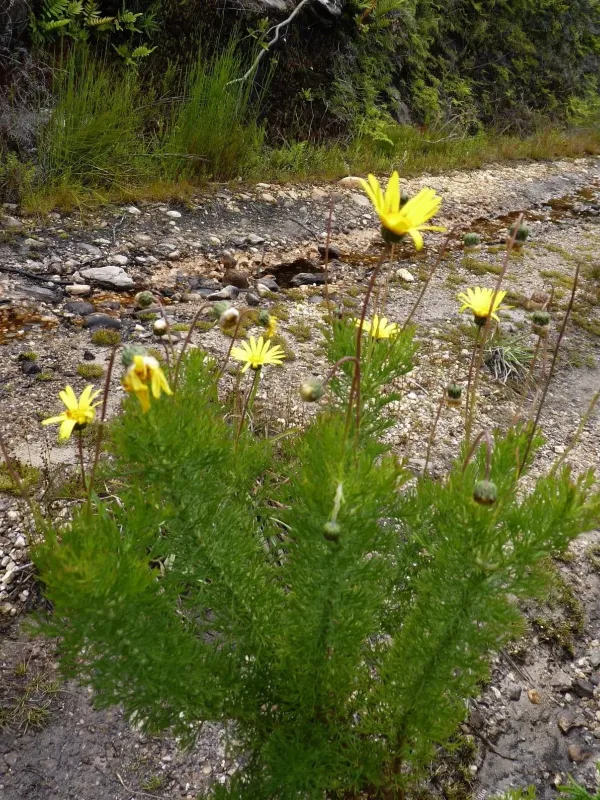
Description
Sowing dates
Cultivation of Ursinia anethoides usually begins with sowing seeds indoors. Sowing should be carried out in March or April using light, sterile seed-starting mix.
Seeds are light-dependent for germination, so they should be surface-sown and only lightly dusted with fine vermiculite or sand rather than buried deep in the soil.
Maintaining a constant temperature between 18 and 20 degrees Celsius is essential for uniform germination, which typically takes about two weeks under optimal conditions.
Once the seedlings have developed two sets of true leaves, they should be transplanted into individual pots to encourage the development of a strong, branched root system.
Hardening off the plants is a crucial step before moving them to their permanent outdoor location in late May, ensuring they are well-acclimated to direct sunlight and wind.
Growing requirements
The dill-leaf ursinia is a member of the Asteraceae family, native to South Africa. Its botanical name, Ursinia anethoides, refers to the resemblance of its fine foliage to dill (Anethum).
This species requires full sun to thrive and produce its signature daisy-like flowers. Lack of sunlight results in weak, leggy stems and poor flower production throughout the growing season.
Well-draining, sandy or loamy soils are the best choice for this plant. It is highly sensitive to waterlogged conditions, which can lead to rapid root decay and plant failure.
While the plant is somewhat drought-tolerant once established, it benefits from moderate watering during prolonged dry spells. However, avoiding wet foliage during irrigation is recommended.
It prefers a slightly acidic to neutral soil pH. When grown in containers, it is important to provide high-quality drainage material at the bottom of the pot to prevent moisture accumulation.
Main diseases and pests
The primary threats to this culture are fungal diseases, especially powdery mildew, which can quickly spread in humid and poorly ventilated garden environments.
Root rot caused by Pythium or Phytophthora species often occurs if the soil remains wet for too long. Improving soil structure and drainage is the most effective preventative measure.
Aphids can be a significant nuisance, particularly during the early stages of bud development. Infestations lead to distorted leaves and the transmission of viral pathogens.
Spider mites represent a risk during hot and dry summer conditions. Keeping the plants well-hydrated is one way to minimize the stress that attracts these pests.
- Implement proper spacing to ensure adequate air circulation.
- Use systemic fungicides at the first sign of mildew infection.
- Regularly monitor the underside of the leaves for mite or aphid colonies.