
Ursinia anthemoides
Ursinia anthemoides (L.) Poir.
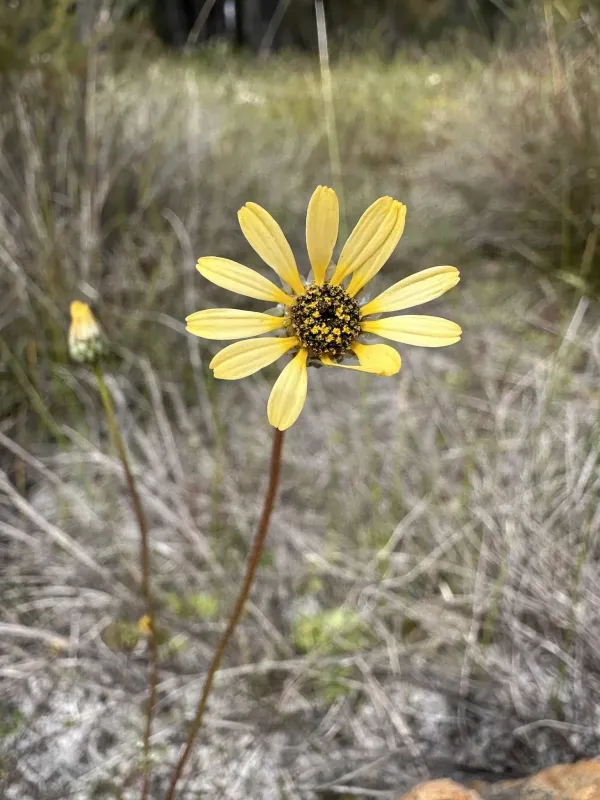
Description
Sowing dates
Ursinia anthemoides is typically cultivated as an annual crop, with seeds sown directly into open fields during the late spring months.
For optimal germination, the soil temperature should consistently remain above 15 degrees Celsius, ensuring a frost-free environment for the emerging seedlings.
In regions with shorter growing seasons, starting seeds indoors in early spring is an effective way to encourage earlier flowering upon transplanting.
Seeds should be sown shallowly, as they require light to stimulate the physiological processes of germination, and they should be covered only very lightly with soil.
Proper spacing is crucial; maintaining a distance of 20 to 25 centimeters between plants prevents overcrowding and allows for better light penetration.
Growing requirements
As a member of the Asteraceae family, Ursinia anthemoides thrives in conditions that mimic its native South African habitat, demanding high light intensity.
The plant performs best in well-drained, sandy, or gritty soil types where water does not pool, preventing the roots from suffocating or rotting.
Fertility levels should be kept low to moderate; excessive nitrogenous fertilization leads to weak stems and a significant reduction in flower production.
The plant is highly adaptable to drought conditions once established, making it a sustainable choice for landscapes with limited water availability.
Wind protection is generally not a priority for this low-growing crop, as it is naturally adapted to withstand exposed conditions in its native range.
Main diseases and pests
The most common issues for this crop are fungal infections linked to soil saturation, particularly Pythium or Phytophthora root rots in heavy soils.
Powdery mildew can impact the foliage during periods of high humidity and poor airflow, necessitating careful management of planting density.
Pests like aphids and spider mites are frequent invaders, especially when plants are stressed by drought or poorly maintained in hot climates.
Integrated pest management, including regular monitoring and the use of insecticidal soaps, is highly effective for controlling early infestations.
Sanitation practices such as removing wilted flowers and debris help minimize the risk of secondary infections and maintain plant vigor.