
Ursinia versicolor
Ursinia versicolor (DC.) N. E. Br.
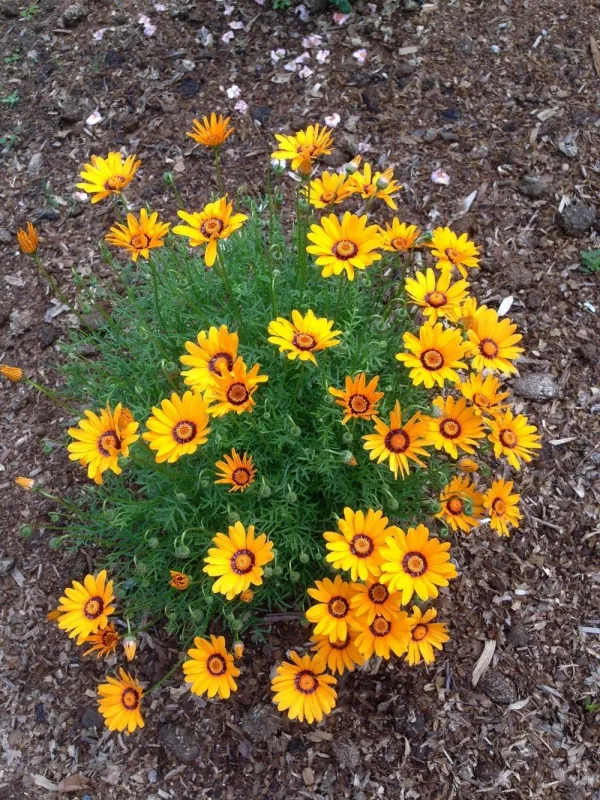
Description
Sowing dates
The sowing of Ursinia versicolor is typically performed in late spring once all dangers of frost have completely passed. Direct seeding into prepared flower beds allows for a stronger root system and better acclimatization to environmental conditions.
For earlier blooms, seeds can be started indoors in late winter or early spring using specialized seed trays. It is crucial to maintain a consistent temperature of about 20 degrees Celsius to ensure rapid germination.
The seeds require light to germinate, so they should not be buried deep into the soil. A light dusting of vermiculite or fine sand is sufficient to hold the seeds in place while allowing sunlight to reach them.
Transplanting seedlings requires extreme care as Ursinia does not favor root disturbance. It is recommended to use biodegradable pots that can be placed directly into the garden soil during the final planting stage.
Proper spacing is essential to ensure that plants have enough room to grow and thrive. A distance of at least 20 centimeters between plants prevents competition for nutrients and ensures good air circulation.
Growing requirements
Ursinia versicolor thrives in full sunlight and requires a minimum of six to eight hours of direct sun daily. It is a plant that truly flourishes in open, bright locations, making it perfect for sunny borders and rock gardens.
The soil must be well-draining, preferably sandy or loamy. If the soil is too dense or clay-heavy, adding organic matter or grit will significantly improve the aeration and drainage, which is vital for this species.
While the plant is somewhat drought-tolerant once established, regular and moderate watering is necessary during the initial stages of growth. Avoid getting water on the flowers themselves, as this can cause them to close or decay.
Temperature requirements are standard for summer annuals, with the plant performing best in temperate conditions. It is not frost-hardy and should be considered a tender plant in colder climate zones.
Fertilization should be handled with caution, as high-nitrogen fertilizers will result in lush foliage but fewer flowers. A balanced, low-nitrogen liquid fertilizer applied sparingly is usually sufficient to support health.
Main diseases and pests
The most common disease impacting Ursinia is powdery mildew, which appears as white, dusty patches on leaves during humid weather. Providing good spacing is the primary preventive measure against this fungus.
Root rot is another significant threat, typically caused by waterlogged soil. This can be prevented by ensuring excellent drainage and allowing the top layer of the soil to dry out between watering sessions.
Aphids are the most frequent insect pests, often found clustering on new shoots and buds. Regular monitoring and the application of insecticidal soap are usually effective in keeping populations under control.
Spider mites can also be a nuisance during very hot and dry spells. They cause leaf discoloration and stippling, which reduces the photosynthetic capacity of the plant and weakens it over time.
General hygiene in the garden, such as removing fallen leaves and spent flowers, helps reduce the habitat for many pests and pathogens. Keeping the plants healthy with proper nutrition and water is the best defense against threats.