
Spilanthes urens
Spilanthes urens
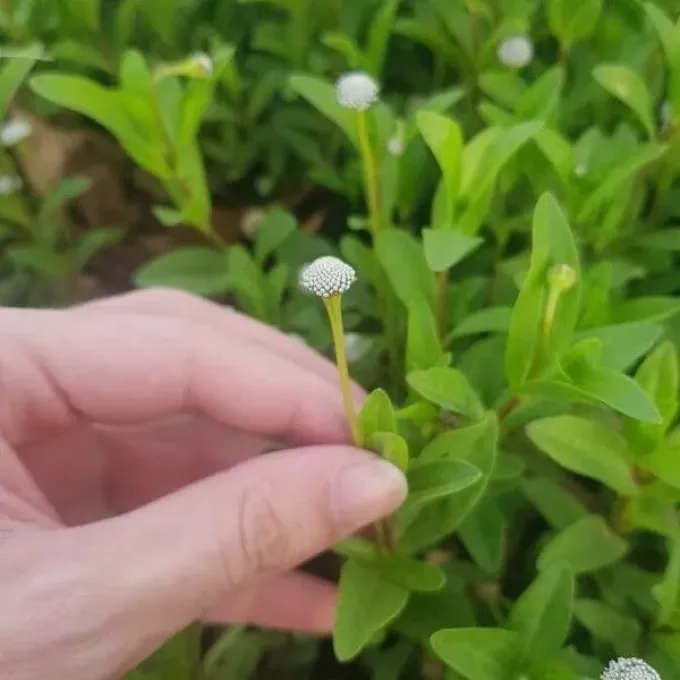
Description
Sowing dates
Spilanthes urens is a tender perennial typically cultivated as an annual crop in temperate climates. Seeds should be started indoors in late winter or early spring, approximately 6–8 weeks before the last frost date, using a seed-starting mix.
The seeds require warmth to germinate; maintaining a constant soil temperature of 20–25 degrees Celsius is critical for success. Light is essential for germination, so seeds should be barely covered with soil.
Transplanting into the garden should only occur when all danger of frost has passed and the soil has sufficiently warmed up. Acclimatization of the seedlings to outdoor conditions through hardening off over a week is highly recommended.
For direct seeding in warmer regions, sow seeds in shallow furrows after the last frost. Ensure the seedbed is free from weeds to prevent competition for the slow-growing seedlings.
Planting spacing is crucial for airflow and healthy development; aim for 30–45 cm between plants, depending on the desired density and local environmental conditions.
Growing requirements
Spilanthes thrives in full sun, which is necessary to maximize the production of its signature compounds. Partial shade may result in stunted growth and a significant reduction in flowering.
Well-drained, fertile soil rich in organic matter is preferred. The plant performs exceptionally well in loamy soils with a pH ranging from 6.0 to 7.0, ensuring adequate nutrient availability.
Consistent moisture is key. While the plant can tolerate short periods of dryness once established, its growth and harvest yield are greatly enhanced by steady irrigation during the peak growing season.
Regular applications of a balanced liquid fertilizer during the vegetative stage help sustain the rapid growth of lush foliage. Avoid excessive nitrogen late in the season to prevent weak, susceptible stems.
The plant is highly sensitive to cold. It stops growing when temperatures drop below 10 degrees Celsius, so site selection in a sheltered, sun-trapping location is beneficial for northern growers.
Main diseases and pests
Powdery mildew is the most common fungal issue, especially in high humidity and stagnant air. Good spacing and morning watering (avoiding overhead irrigation) are primary cultural controls.
Aphids are frequent pests, particularly on the succulent flower buds and new growth. Early detection and manual removal or the use of insecticidal soaps are recommended to keep the plants productive.
Slugs and snails can be devastating to young seedlings, often consuming them overnight. Using barriers like crushed eggshells or copper tape can help protect the plants during the vulnerable early stages.
Root rot caused by Phytophthora species can occur in waterlogged soil. Ensuring excellent drainage is the best defense against soil-borne pathogens that target the root system.
Monitoring for spider mites during dry, hot spells is also advisable, as they can cause yellowing and loss of foliage, reducing the overall health and vigor of the spice crop.
Harvesting
Harvesting for medicinal and culinary use begins once the plant is in full bloom. The flower heads, often called "toothache buds," contain the highest concentration of spilanthol, the active numbing agent.
Harvest should be conducted in the morning after the dew has evaporated, which ensures the highest concentration of volatile oils and improves the storage quality of the harvested material.
Flowers and leaves can be dried in a dark, airy place at low temperatures (below 40 degrees Celsius) to preserve their pungent and tingling properties. High heat will quickly degrade the active compounds.
Regular harvesting of flowers actually encourages the plant to produce more blooms throughout the season, effectively increasing the cumulative yield for the gardener.
For fresh use, pick flower heads and young leaves individually. Store them in a cool, dry place if not used immediately, though they are best enjoyed fresh for their unique sensory experience.