
Lavender cotton
Santolina rosmarinifolia L.
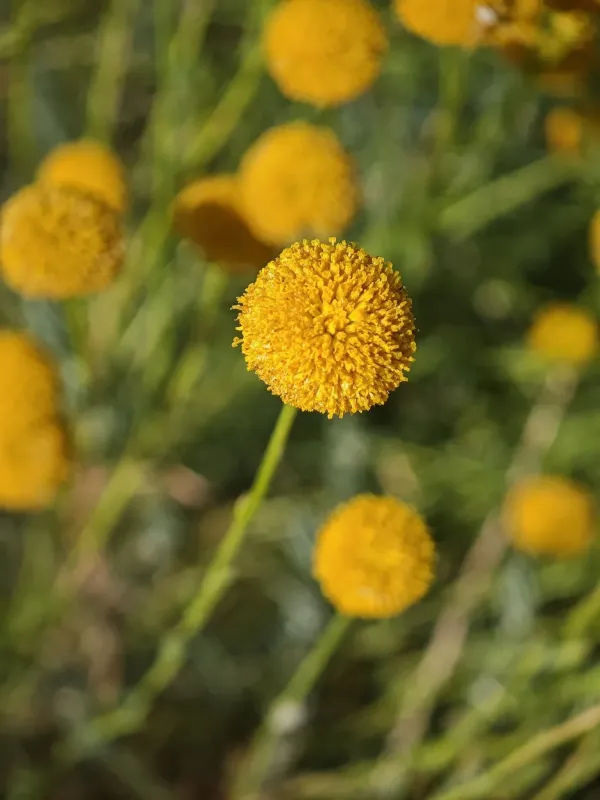
Description
Sowing dates
Propagation of Santolina rosmarinifolia is typically performed via seeds sown in early spring. The seeds require light for germination, so they should be surface-sown on a moist, sterile seed-starting mix without covering them too deeply.
Germination usually takes about two to three weeks at a constant temperature of 20°C. Once the seedlings reach the four-leaf stage, they should be transplanted into individual small pots to encourage strong root development.
Cuttings are often preferred for cloning mature specimens. Semi-ripe cuttings are taken in late summer, treated with a rooting hormone, and placed in a sand-based medium under a mist or a plastic cover.
When transplanting into the field, ensure a spacing of at least 40-50 cm between individual plants. This allows for the required air circulation, which is vital for preventing crown rot in Mediterranean shrubs.
The initial establishment phase requires light monitoring of moisture levels, but once established, the plants are highly self-sufficient and rarely require additional watering.
Growing requirements
Santolina rosmarinifolia belongs to the Asteraceae family and is native to the Iberian Peninsula and parts of North Africa. It is a perennial subshrub prized for its evergreen, needle-like leaves and strong, resinous aroma.
The plant thrives in full sun and well-drained, nutrient-poor soil. Sandy, rocky, or chalky substrates are ideal, as they mimic the natural xerophytic conditions of its native habitat and prevent root moisture buildup.
Climate adaptability is a key trait of this species. While it is hardy in many zones, it prefers mild winters. In areas with prolonged frost, it should be grown in containers that can be moved to a protected location.
Maintenance involves drastic pruning after the flowering season, which occurs in mid-to-late summer. Pruning back the growth by a third keeps the plant compact and prevents the center from becoming woody and sparse.
The species is highly valued in horticulture for its ornamental appearance, suitability for rock gardens, and use as a fragrant hedging plant that withstands wind and salt spray.
Main diseases and pests
Root rot caused by Phytophthora species is the most common threat to this culture. It occurs almost exclusively in sites with poor soil drainage or excessive irrigation during the dormant season.
Pests such as aphids and spider mites can occasionally settle on the young, tender foliage. While generally not lethal, heavy infestations can cause stunted growth and reduced vigor in younger plants.
To maintain plant health, it is essential to ensure that the immediate environment around the base of the plant remains dry. Mulching with gravel instead of organic materials can help reduce humidity near the crown.
Regular monitoring for signs of wilt, such as yellowing leaves or stem drooping, is necessary. If infection is detected, affected branches should be pruned away to prevent further spread.
Integrated pest management, including the use of neem oil or insecticidal soaps, is usually sufficient to handle minor pest outbreaks without compromising the safety of the garden ecosystem.