
Lavender cotton
Santolina chamaecyparissus L.
Description
Sowing dates
Lavender cotton is propagated through seeds or cuttings, with the latter being preferred for maintaining genetic consistency. Seeds are sown indoors in late winter, utilizing a well-draining, sandy seed-starting mix to ensure optimal conditions.
When sowing, seeds should be barely covered with soil, as they require light to germinate effectively. Maintaining a temperature range of 18–22 degrees Celsius and high humidity under cover helps ensure uniform germination.
Softwood or semi-hardwood cuttings are taken in late summer to early autumn. These cuttings are placed in pots with perlite and peat, rooted in a protected, warm environment until a healthy root system develops.
Once established, plants are hardened off and transplanted into their permanent garden positions. Spring planting is generally recommended to allow the root system to become established before the onset of winter.
Proper spacing is essential to prevent overcrowding, which can lead to poor plant health. A distance of 40–50 centimeters between individual shrubs is generally recommended for border plantings.
Growing requirements
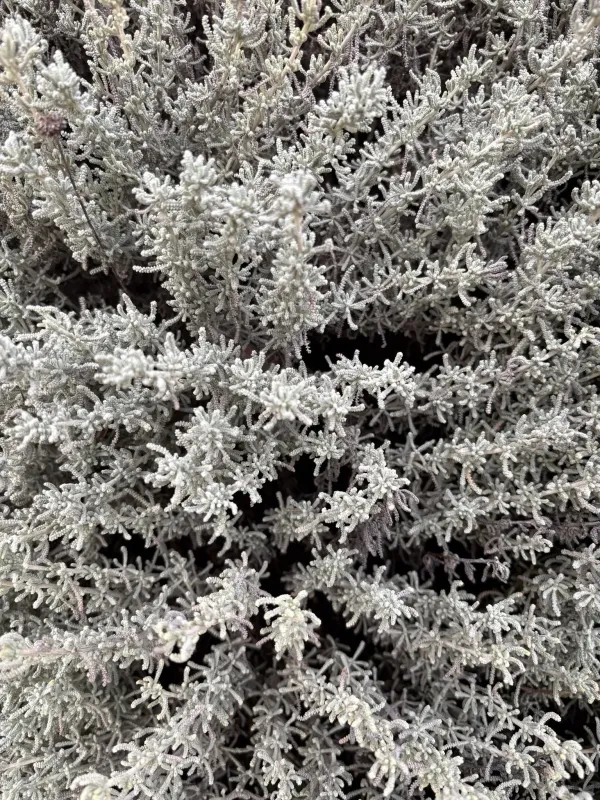
Santolina chamaecyparissus is a classic Mediterranean shrub belonging to the Asteraceae family. It is prized for its aromatic, silvery-gray foliage that adds a distinct texture and color to garden landscapes.
The plant thrives in full sun exposure. Lack of direct light will cause the plant to become leggy, lose its dense structure, and fade in color, eventually losing its characteristic aesthetic appeal.
Soil requirements are minimal; the plant demands excellent drainage. It performs best in poor, sandy, or rocky soils, as overly rich or moist soils can cause the plant to rot and suffer from fungal diseases.
Irrigation should be minimal once the plants are established. This drought-tolerant shrub thrives in arid conditions and generally requires watering only during prolonged spells of extreme heat or drought.
In colder climates, winter protection is necessary. Mulching the base of the plant with dry organic material or covering it with burlap can protect it from severe frost damage during winter months.
Main diseases and pests
Root rot is the most common threat to lavender cotton, usually caused by overwatering or soil that remains soggy. Ensuring the planting site has perfect drainage is the best defense against this lethal issue.
Powdery mildew and gray mold can occur in humid or poorly ventilated areas. Regular pruning to maintain airflow through the foliage is essential to prevent the spread of fungal spores among the branches.
While relatively pest-free, aphids may occasionally attack the tender new growth during the spring season. However, these are generally easy to manage with simple mechanical removal or insecticidal soaps.
Avoid heavy fertilization, as excess nitrogen promotes rapid growth of weak, soft shoots that are more susceptible to pests and diseases. A focus on hardy, slow growth is ideal for this species.
Regular sanitation, which includes removing dead or diseased branches, is vital for maintaining the plant's long-term health and preventing the formation of infection hotspots in the garden.
Harvesting
The aromatic harvest of lavender cotton typically occurs in mid-summer, just before or during the flowering stage. Only the non-woody parts of the stems should be harvested to ensure quick regeneration of the plant.
Drying is best accomplished in a dark, airy room to preserve the volatile oils that give the leaves their characteristic, pungent scent. Proper drying prevents the leaves from turning brown or losing their aroma.
Once dried, the foliage can be used in sachets to repel moths, as a natural air freshener, or as part of decorative floral arrangements. It is a traditional staple in dried herb collections.
Maintenance harvesting is also performed to keep the shrubs tidy. Trimming back spent flower stalks immediately after blooming keeps the plant compact and prevents it from wasting energy on seed production.
The plant's strong, camphorous scent is highly effective in discouraging pests in textile storage, making it a valuable resource for natural pest management in household settings.