
Orthopappus angustifolius
Orthopappus angustifolius
Description
Growing requirements
Orthopappus angustifolius is a perennial herbaceous plant belonging to the Asteraceae family. Native to the tropical regions of South America, this species plays a vital role in maintaining the structure and biodiversity of natural grasslands and pastures.
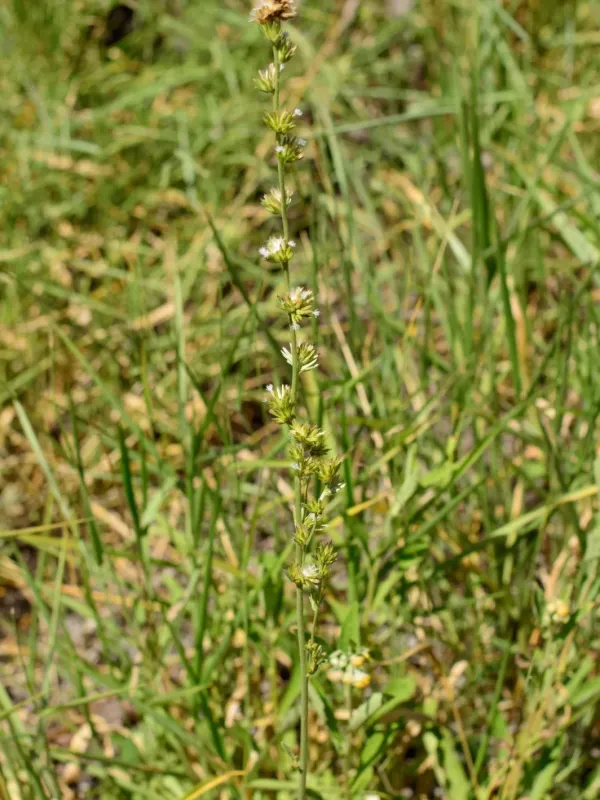
Botanically, it is characterized by its narrow, linear leaves forming a basal rosette and its sturdy inflorescences. This structural design allows the plant to adapt to various environmental conditions, including moderate drought stress and fluctuating temperature regimes.
The crop thrives best in well-drained soils, preferring neutral to slightly acidic conditions. While it is quite hardy, adequate solar exposure is essential for vigorous growth and the development of high-quality biomass, which is critical for agricultural productivity.
Agrotechnical management involves maintaining a balanced grazing regime to encourage regrowth. The plant is valued for its resilience, as it can recover quickly following grazing or mowing, providing a consistent source of forage for livestock throughout the growing season.
In terms of agricultural integration, it is often utilized in pasture improvement programs where ecological restoration and sustainable land use are primary objectives. Its ability to thrive in diverse soil types makes it an asset for pasture stability.
Main diseases and pests
Like many members of the Asteraceae family, Orthopappus angustifolius can be vulnerable to various fungal pathogens, particularly in regions with high humidity. Leaf spots and powdery mildew are common issues if proper air circulation is not maintained.
Insects and pests, including specific larvae and beetles, can cause localized damage to the foliage and flower heads, potentially reducing the overall quality of the forage if outbreaks are not monitored.
To mitigate these threats, producers should implement rotational grazing strategies. This practice prevents soil compaction and reduces the accumulation of pests within the dense crop stands.
Integrated pest management, emphasizing the use of biological controls and the maintenance of a healthy plant environment, is the most effective way to protect the integrity of the pastures.
Regular field scouting is essential to identify early symptoms of disease or pest infestation, allowing for quick intervention that prevents widespread crop damage.