
Norwegian wormwood
Artemisia norvegica
Description
Growing requirements
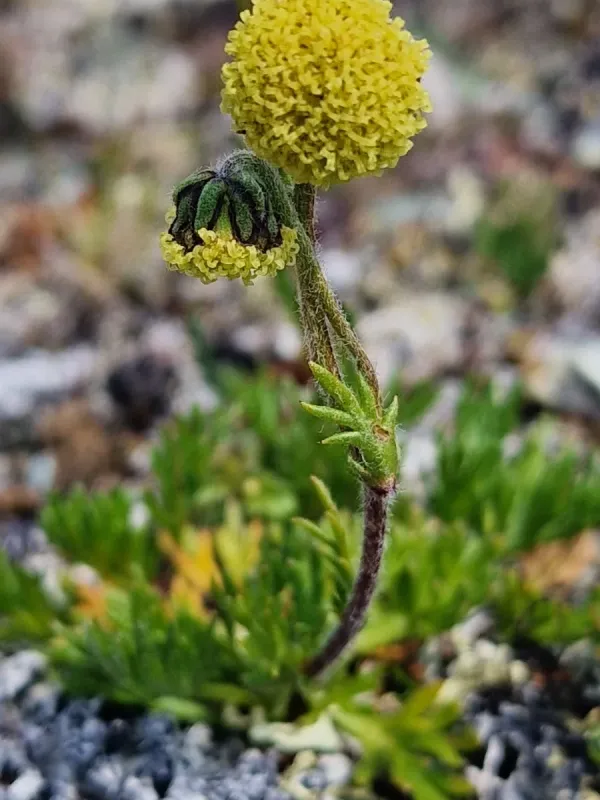
Norwegian wormwood (Artemisia norvegica) is a perennial herbaceous plant belonging to the Asteraceae family. It is recognized for its adaptation to arctic-alpine environments where other crops fail to thrive.
The species is native to northern and mountainous regions, including parts of Norway, Alaska, and Canada. Its natural habitat includes alpine meadows, rocky slopes, and tundra ecosystems where it develops deep root systems.
Cultivation requirements focus on well-draining, gritty, or rocky soils. It thrives in locations where the substrate allows for excellent air circulation around the root zone, preventing any risk of waterlogging.
The climate must be cool and temperate to ensure the longevity of the plant. High heat indices during summer are detrimental to its development, often leading to physiological stress and diminished vegetative vigor.
Agrotechnical management involves careful site selection to ensure full sun exposure. Since the plant is specialized for low-nutrient environments, intensive fertilization is generally not required and may even be harmful to the plant's health.
Main diseases and pests
The primary threats include fungal pathogens such as rust and root rot, which typically occur in poorly drained substrates. Maintaining adequate airflow is the best preventative strategy against these threats.
Pests that may impact the crop include aphids that congregate on the tender parts of the plant during late spring. Monitoring the health of the foliage is essential to prevent significant damage to the plant's secondary metabolites.