
Nemosenecio nikoensis
Nemosenecio nikoensis
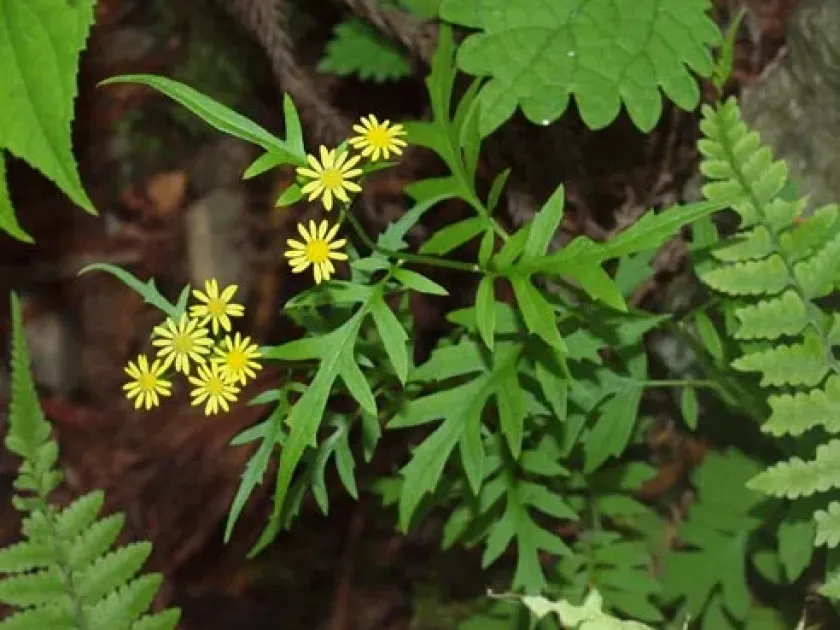
Description
Growing requirements
Nemosenecio nikoensis is a perennial herbaceous plant belonging to the Asteraceae family. This species is recognized for its unique botanical adaptation to temperate mountain environments, making it a subject of interest in specialized horticultural and botanical research.
Native to the mountainous regions of Japan, this plant has adapted to cool, moisture-rich forest ecosystems. In an agricultural context, it is cultivated primarily for its aesthetic and ecological value, thriving in environments that mimic its natural mountainous habitat.
The crop requires soil that is rich in organic matter, loose in texture, and well-draining. Moisture consistency is a critical factor for healthy growth; the plant performs best in environments where soil humidity remains stable, preventing stress-induced dormancy.
Regarding light requirements, Nemosenecio nikoensis prefers partial shade or dappled sunlight. Intense direct sunlight, especially during peak summer temperatures, can be detrimental to the plant's foliage, often leading to rapid dehydration and chlorosis.
Temperature management is essential for this species. It is well-adapted to cooler climates and can withstand moderate frost, provided the root system is well-established. Maintaining an optimal pH balance between 6.0 and 7.0 is recommended to support robust development.
Main diseases and pests
Fungal infections are the primary phytosanitary concern, particularly root rot caused by waterlogged soil. Ensuring proper drainage is the most effective preventative measure to maintain the health of the crop and prevent the proliferation of pathogenic fungi.
Aphids represent the most common insect threat, often congregating on the underside of leaves or at the base of flowering stems. Early detection and the application of appropriate biological or chemical treatments can successfully mitigate aphid outbreaks.
Powdery mildew is a frequent issue when air circulation is poor or humidity levels fluctuate unexpectedly. Proper spacing between individual plants is necessary to promote airflow and significantly reduce the susceptibility to mildew and other foliage diseases.
Gastropods such as slugs and snails pose a significant risk, particularly to young, tender growth during the early stages of the growing season. Implementing physical barriers or organic bait stations is a standard practice for protecting vulnerable plants.
To ensure long-term productivity, farmers should practice strict sanitation by removing decaying plant matter. Regular monitoring for signs of viral symptoms or nutrient deficiencies ensures that the crop remains vigorous throughout its entire life cycle.