
Micropus supinus
Micropus supinus
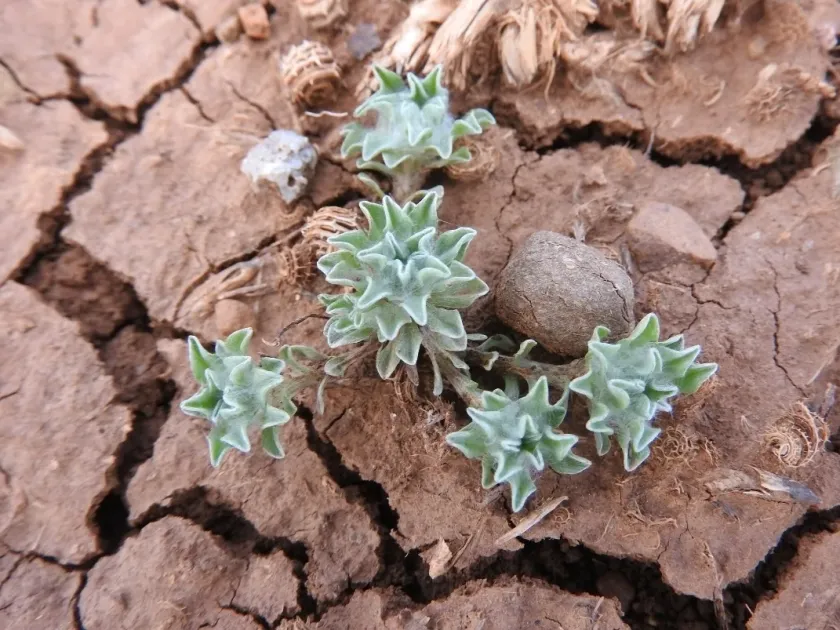
Description
Growing requirements
Micropus supinus is a small herbaceous annual plant belonging to the Asteraceae family. It is recognized for its prostrate growth habit, which allows it to thrive in low-competition environments like stony ground.
The plant originates from the Mediterranean basin and extends into Western Asia. It is typically found in arid and semi-arid regions where it occupies sandy or rocky soils, demonstrating high tolerance to drought stress.
Regarding climatic requirements, this species requires high light exposure and warm spring temperatures for germination and rapid growth. It performs best in well-drained, alkaline or neutral substrates that prevent waterlogging.
The life cycle of the species is highly adapted to seasonal rainfall patterns. By completing its reproductive cycle before the peak of summer heat, it ensures seed dispersal before the desiccation of its primary habitat.
In agricultural settings, while not a cultivated crop, Micropus supinus is noted for its ability to colonize disturbed areas. Effective management requires early mechanical weeding or herbicide application to mitigate competition with primary crops.