
Mantisalca salmantica
Mantisalca salmantica
Description
Growing requirements
Mantisalca salmantica is a perennial herb belonging to the Asteraceae family. Native to the Mediterranean region, this plant has adapted to harsh environmental conditions, making it an interesting subject for studies in xerophytic plant cultivation and arid land reclamation.
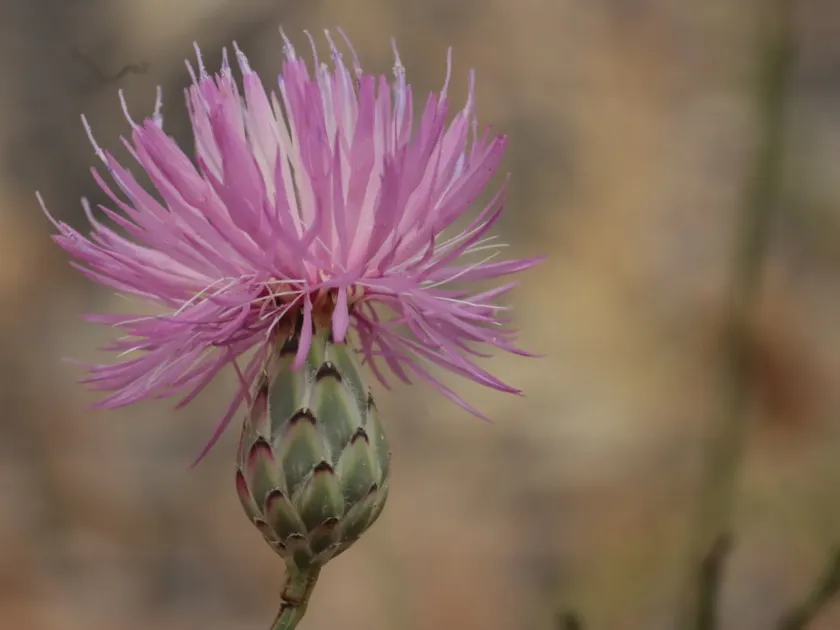
The plant exhibits a branched growth habit with distinct pinnately lobed leaves. Its terminal flower heads, which bloom in shades of pink or purple, are a characteristic trait of this species. These flowers are highly attractive to pollinators, providing an ecological benefit beyond its agricultural use.
Regarding soil and climate, the plant thrives in well-drained, nutrient-poor substrates, including rocky and sandy soils. It is highly resistant to drought, tolerating high thermal indices typical of Mediterranean summers, and requires full sun exposure for optimal physiological performance.
Agrotechnical management is relatively straightforward due to the plant's natural hardiness. Successful establishment requires careful management of seedling density and ensuring the soil structure facilitates deep root penetration, which is essential for the plant's longevity and stress tolerance.
In terms of agricultural utility, the plant is primarily evaluated as a grazing resource in semi-arid rangelands. While its foliage can be slightly rough, it provides a consistent source of biomass in seasons when more palatable pasture species enter dormancy due to water scarcity.