
Lasiospermum bipinnatum
Lasiospermum bipinnatum
Description
Growing requirements
Lasiospermum bipinnatum is a perennial herb belonging to the Asteraceae family. Native to the southern regions of Africa, this species is well-adapted to environments characterized by distinct dry and wet cycles.
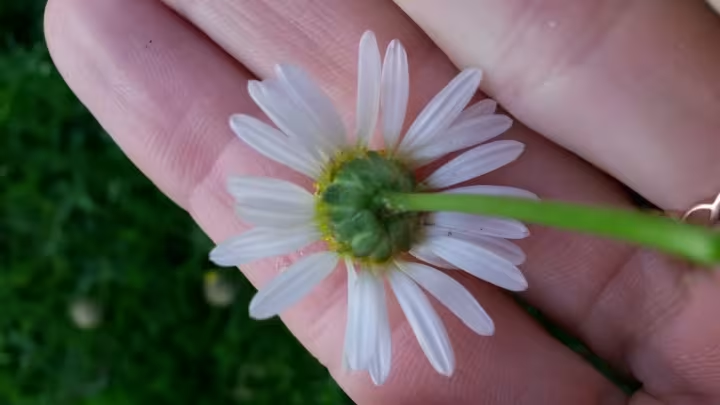
The plant is distinguished by its finely divided, bipinnate foliage, which gives it a feathery and delicate appearance. The growth habit is typically clump-forming, with upright stems topped by terminal flower heads that resemble small daisies.
Cultivation requirements focus on excellent drainage. This plant thrives in sandy or gritty soils where water can move through the substrate quickly, as the root system is highly susceptible to rotting under waterlogged conditions.
In terms of climatic preference, the plant requires a location with full sun exposure to maintain its compact growth form. It is generally sensitive to harsh winters and is best suited for zones where frost is minimal or for container gardening.
The primary horticultural application of Lasiospermum bipinnatum is as an ornamental plant in rock gardens or xeriscaping projects. Its low water requirements and unique texture make it a valuable asset for sustainable landscaping in warm climates.
Main diseases and pests
Fungal diseases are the primary threat to the health of this species. Root rot and damping-off, caused by pathogens such as Pythium or Phytophthora, are particularly common in cases of excessive irrigation or poor soil aeration.
Pests commonly associated with this plant include aphids, which tend to congregate on tender buds and flower stalks. Additionally, spider mites can become an issue during periods of low humidity and high temperatures.
Maintenance of plant health involves careful monitoring of soil moisture levels. Ensuring the planting site has sufficient air circulation is critical to preventing the onset of powdery mildew on the foliage.
Integrated pest management strategies should be employed, prioritizing the removal of infested plant parts and using horticultural oils or soaps only when necessary to manage insect populations effectively.
By providing an appropriate environment that mimics its natural habitat, the risk of disease is significantly reduced, allowing the plant to display its best ornamental characteristics throughout the growing season.