
Inula salicina
Inula salicina
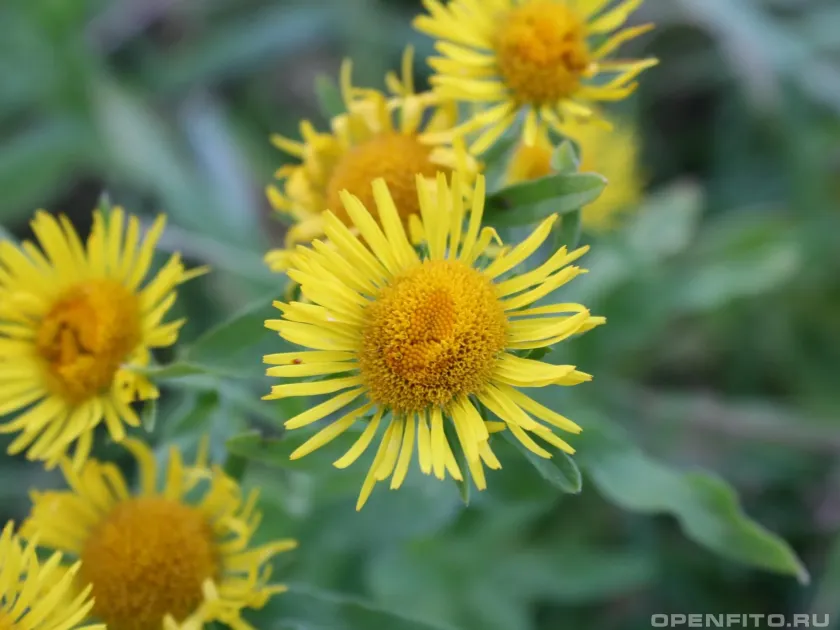
Description
Sowing dates
Inula salicina seeds require a period of stratification to break dormancy and ensure uniform germination. Sowing is typically conducted in early spring once soil temperatures reach a consistent 10-12 degrees Celsius.
Late autumn sowing is also a viable option, allowing the seeds to undergo natural overwintering, which often results in more robust seedlings the following spring. When using a nursery method, seeds should be sown in trays in March with adequate natural light.
Seed depth should be kept shallow, approximately 0.5 to 1 centimeter, as deep burial significantly hinders emergence. Row spacing should be maintained at 40-50 centimeters to facilitate mechanical weeding and aeration between plants.
Once seedlings have developed two sets of true leaves, thinning is necessary to provide each plant with a 25-30 centimeter growing space. Proper spacing is essential to reduce humidity levels around the foliage, which helps prevent disease.
Maintenance during the establishment phase is critical, as young plants compete poorly with weeds. Regular shallow cultivation between rows helps preserve moisture and creates a loose, aerated soil structure.
Growing requirements
Inula salicina, a member of the Asteraceae family, is highly adaptable but thrives best in sunny, open locations with well-drained, fertile soil. It is particularly tolerant of neutral to slightly alkaline pH levels.
While the plant can survive in diverse soil types including gravelly substrates, it performs best in loamy soils that hold moisture without becoming waterlogged. Poor drainage is the primary limiting factor for successful development.
This species is exceptionally frost-hardy and capable of enduring cold winters without specialized protection. It also demonstrates strong drought tolerance once established, making it a sustainable choice for various climates.
Fertilization with balanced NPK fertilizers in early spring significantly boosts foliage production and flowering. Applying organic compost before planting helps improve long-term soil fertility and structure.
Crop rotation should be strictly practiced, ensuring Inula is not replanted in the same area for at least four years to manage soil health. This practice effectively reduces the buildup of host-specific pathogens.
Yield
The economic value of Inula salicina is primarily derived from its leaves and rhizomes, which are utilized in medicinal and botanical applications. Maximum yields are typically achieved from the third year onward.
The flowering period provides a consistent source of nectar, making this plant an excellent choice for beekeepers. High nectar productivity contributes to the overall stability of local honeybee populations.
In addition to agricultural use, its ornamental value is recognized in landscape design for its reliable growth and prolonged blooming season. This dual utility enhances its marketability for nursery growers.
Harvesting the aerial parts at the height of bloom ensures the highest concentration of bioactive compounds. This timing is essential for meeting the quality standards required by pharmaceutical and herbal processors.
The plant also serves as a robust ground cover in larger agricultural projects, suppressing secondary weeds and stabilizing the soil. Its versatility continues to make it a favored subject for perennial farming.
Main diseases and pests
Powdery mildew is a common fungal threat, particularly in humid or stagnant air conditions. Improving airflow and spacing between plants are the most effective preventive measures against this issue.
Root rot can occur in heavy soils that lack adequate drainage, leading to quick plant collapse. Ensuring proper soil preparation and moisture management is vital for the long-term health of the crop.
Insect pests, including aphids and various leaf-eating larvae, may cause damage during the active growing season. Regular field monitoring is essential to catch outbreaks before they reach economic thresholds.
Secondary infections often follow insect-driven stem damage, emphasizing the importance of plant vigor. Healthy plants are significantly more resilient to minor infestations and recover faster from minor stressors.
Weed management serves as a crucial preventive step, as weeds often act as reservoirs for viruses and pests. Keeping surrounding headlands clear helps maintain a clean agricultural environment for the primary crop.
Harvesting
The aerial portion of the plant is harvested during peak flowering when bioactive content is at its zenith. Cutting should be performed with sanitized tools to minimize mechanical trauma to the crown.
Rhizomes are best harvested in late autumn or early spring when the plant is dormant. They are carefully lifted, cleared of soil, and thoroughly washed to remove impurities before processing.
Proper drying is imperative, occurring in shaded, ventilated areas at temperatures below 45 degrees Celsius to preserve essential oils. Exposure to direct sunlight must be avoided to prevent thermal degradation.
After reaching the desired moisture content, the product is graded and cleaned of any residual debris. Proper packaging is essential for protecting the material during storage and transport.
Storage facilities must be dry, dark, and pest-proof to maintain product shelf life. Routine inspections of the stored harvest are necessary to ensure ongoing quality and safety for the end consumer.