
Hypochaeris facchiniana
Hypochaeris facchiniana
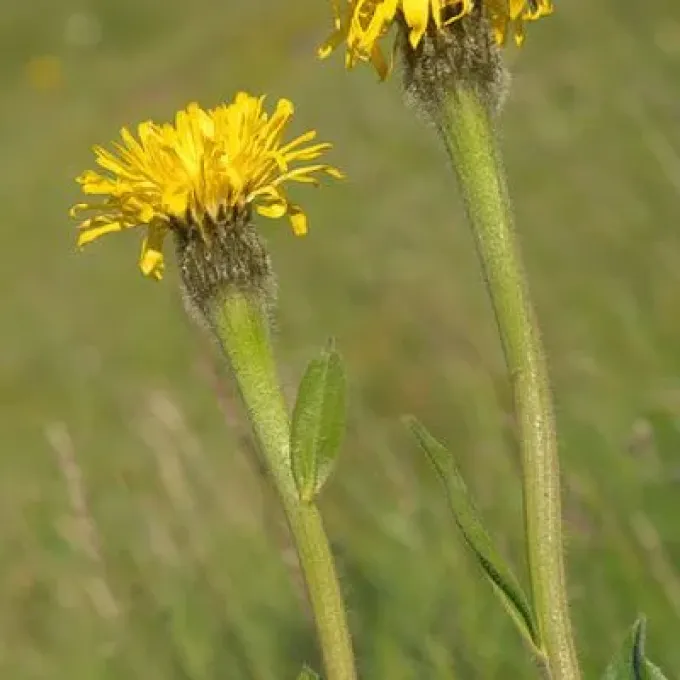
Description
Growing requirements
Hypochaeris facchiniana is a perennial herbaceous plant belonging to the Asteraceae family. Within agricultural science, it is recognized as a robust species capable of thriving in high-altitude environments, contributing to the diversity of alpine pasture ecosystems.
Native to the mountainous regions of Central Europe, the species is adapted to harsh ecological niches. Its natural habitat includes rocky slopes and high-elevation meadows, where it persists despite extreme seasonal weather fluctuations and varying moisture levels.
The plant exhibits remarkable cold tolerance and adaptability to nutrient-poor soils. While it thrives in rocky, well-drained soils, the addition of basic mineral fertilizers can improve biomass yield, making it a viable candidate for sustainable forage production in cooler climates.
Regarding climate, it prefers cool, temperate conditions. The plant is resistant to frost, allowing for early spring growth before more sensitive species. It requires consistent light exposure and is sensitive to competition from dense, tall-growing weed canopy.
Soil management for this crop involves maintaining a loose structure. The plant's deep root system helps prevent soil erosion on sloping pastures, providing not only feed value but also environmental benefits to mountainous agricultural areas.
Harvesting
The primary agricultural use of this plant is as high-quality forage for grazing livestock. It is often integrated into mountain meadow management plans to enhance the nutritional profile of pastures and ensure long-term sustainability of grazing lands.