
Hymenolepis crithmifolia
Hymenolepis crithmifolia
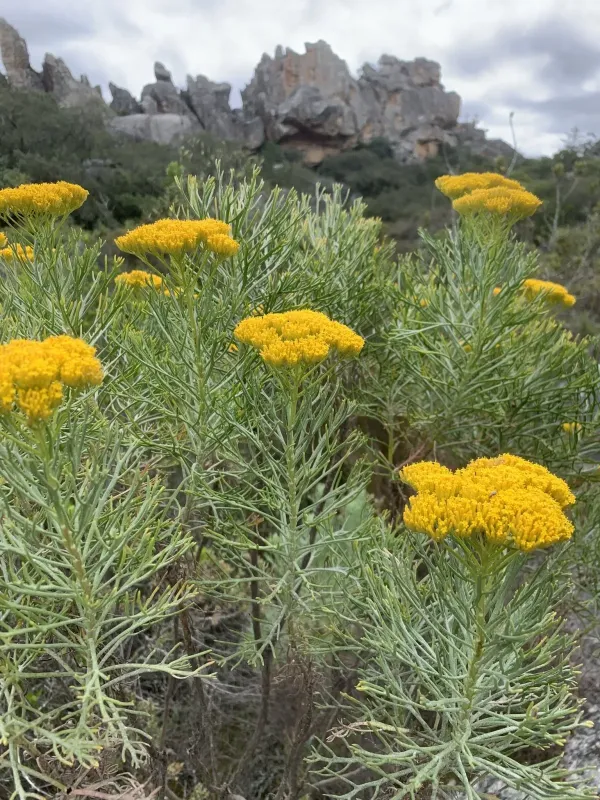
Description
Sowing dates
The sowing of Hymenolepis crithmifolia is typically performed in the spring season when soil temperatures are stable, allowing for successful germination and early establishment.
Producers often utilize light, well-draining seed-starting mixtures to ensure that the delicate seedlings are not prone to waterlogging during their most sensitive developmental stages.
Surface sowing is recommended for this species, as its seeds require adequate light exposure to trigger the germination process, a common trait in many members of the Asteraceae family.
In temperate climates, starting seeds in a controlled greenhouse environment is standard practice to secure strong transplants before moving them to the field.
Correct spacing is essential during sowing to facilitate adequate air circulation, which prevents the build-up of humidity that can prove harmful to young sprouts.
Growing requirements
Hymenolepis crithmifolia is highly demanding regarding solar exposure, requiring a location with full, direct sunlight to achieve its maximum development potential.
The crop prefers coarse-textured, sandy soils that mimic its natural habitat and promote the rapid drainage of excess moisture from the root zone.
While the plant displays notable drought tolerance once established, consistent yet moderate watering is vital during the initial stages of vegetative growth.
Soil pH should ideally be neutral or slightly acidic to ensure the optimal availability of micronutrients required for healthy physiological function.
Wind protection is advised in open field cultivation to prevent physical damage to the plant structure, which can be sensitive during heavy gusts.
Main diseases and pests
Root rot, primarily caused by excessive soil moisture and poor drainage, remains the most significant threat to the survival of Hymenolepis populations.
Aphid infestations can occur during dry spells, which necessitates regular scouting and the use of insecticidal soaps or biological controls to protect the plants.
Powdery mildew may develop in stagnant, humid environments, highlighting the importance of proper plant spacing and consistent field maintenance protocols.
Early detection of pathogen hotspots is crucial for effective management, allowing producers to apply targeted treatments before infections become widespread.
Regular sanitation of tools and field equipment is a necessary practice to prevent the cross-contamination of viral or fungal agents across the growing area.