
Haplocarpha lyrata
Haplocarpha lyrata
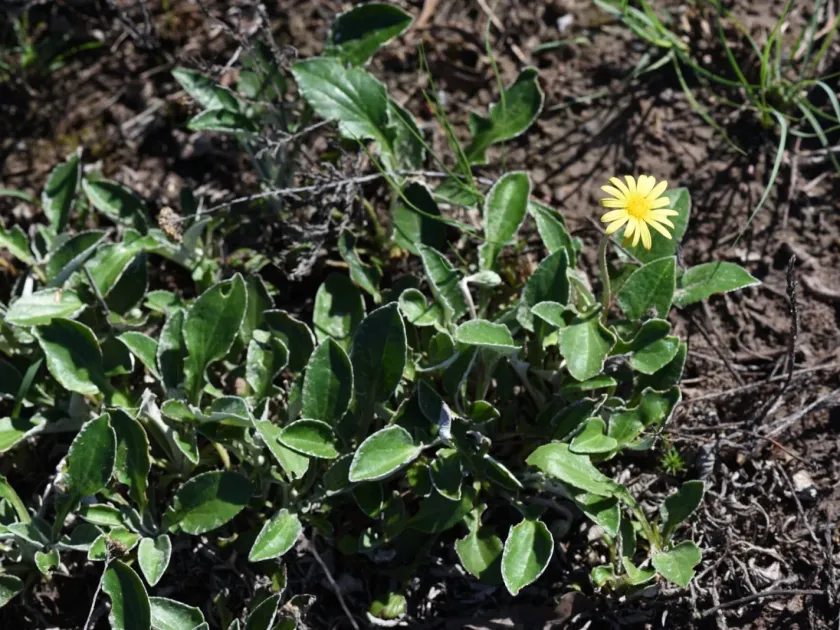
Description
Growing requirements
Haplocarpha lyrata is a perennial herbaceous plant belonging to the Asteraceae family. It is widely recognized for its prostrate growth habit, which allows it to form dense, mat-like groundcovers in garden settings.
Native to Southern Africa, this plant is well-adapted to specific ecological niches. It has been introduced as a low-maintenance landscape plant, valued for its ability to stabilize soil and outcompete many common weed species in suitable climates.
Cultivation requires well-drained, nutrient-rich soil to ensure optimal health. The plant performs best in locations that provide full sun to partial shade, allowing the foliage to develop its characteristic color and density.
Climatic requirements involve moderate temperatures, as the species is not typically frost-hardy in colder regions. Providing mulch during winter or cultivating the plant in controlled environments is recommended for protection against low temperatures.
Agricultural management involves routine monitoring of moisture levels. While the plant is relatively resilient, supplemental irrigation may be necessary during extended dry periods to prevent desiccation and maintain vegetative vigor.
Main diseases and pests
Root rot is the primary threat to Haplocarpha lyrata, particularly in poorly drained soil types. Proper irrigation management and soil aeration are critical cultural practices to mitigate the risk of fungal pathogens.
Mollusks such as slugs and snails are common pests that feed on the succulent leaves of the plant. Integrated pest management, including physical barriers or safe baiting, is often required in humid conditions.
Powdery mildew may occur when humidity is high and airflow is restricted within dense patches. Pruning overcrowded sections of the plant helps improve ventilation and reduces the likelihood of infection.
Aphid infestations can occur during periods of rapid growth, especially in the spring. Early detection and the application of insecticidal soaps or biological controls are effective measures to minimize damage.
Vigilance regarding sanitation is key to preventing the spread of diseases. Removing any decaying plant material and keeping the area clear of debris reduces the habitat for potential pests and soil-borne pathogens.