
Haplocarpha rueppellii
Haplocarpha rueppellii
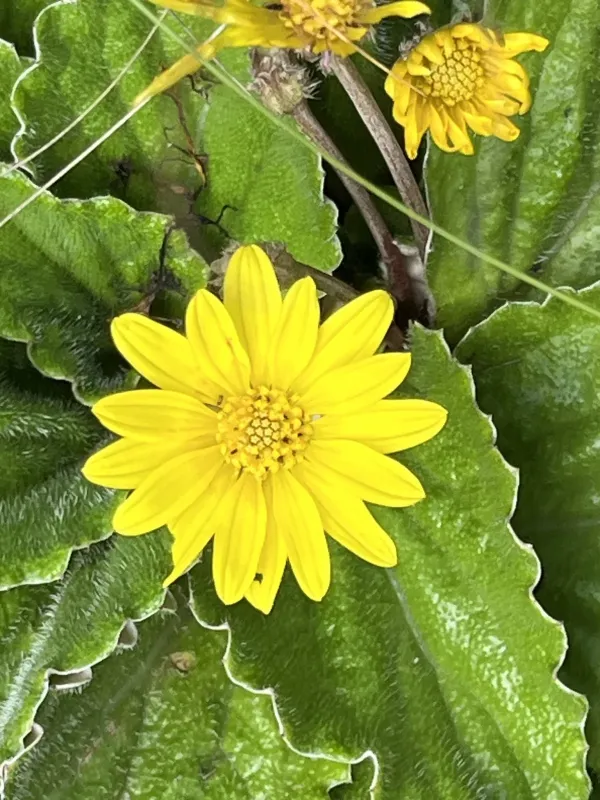
Description
Sowing dates
Haplocarpha rueppellii is a perennial herbaceous plant belonging to the Asteraceae family, native to the high-altitude regions of tropical Africa.
The plant is characterized by a basal rosette of leaves that spreads close to the ground, an adaptation designed to cope with extreme mountain climates.
In agricultural settings, it is valued for its hardiness in regions where traditional food crops struggle to survive due to harsh temperature fluctuations.
Propagation typically relies on seeds, although vegetative propagation through division of mature rosettes is feasible in controlled environments.
The establishment phase requires careful moisture management to ensure the roots become well-anchored in the high-altitude soil profiles.
Growing requirements
The crop thrives in well-drained, porous soils that provide excellent aeration, which is critical for healthy root development in mountain terrains.
Full sun exposure is essential for the plant to reach its maximum biological potential and to stimulate the production of dense foliage.
Soil pH should remain within the slightly acidic to neutral range to ensure optimal nutrient uptake from the underlying rock substrates.
Consistent moisture is required during the initial stages, but the plant displays significant tolerance to drying conditions once established.
Protection from intense winds is often necessary, although the rosette growth form provides inherent structural stability against environmental stress.
Main diseases and pests
Fungal pathogens represent the most significant threat to the crop, particularly when poor site drainage creates anaerobic conditions at the roots.
Leaf-eating pests and localized soil invertebrates can cause severe damage, potentially hindering the biomass accumulation of the rosettes.
Excessive humidity in combination with cool temperatures promotes the growth of powdery mildew on the leaf surfaces, reducing harvest quality.
Preventative measures include maintaining proper plant spacing to ensure air circulation and monitoring soil humidity levels throughout the season.
The use of sustainable organic amendments is encouraged to maintain plant health without disrupting the delicate balance of the high-altitude soil ecology.