
Gorteria personata
Gorteria personata
Description
Sowing dates
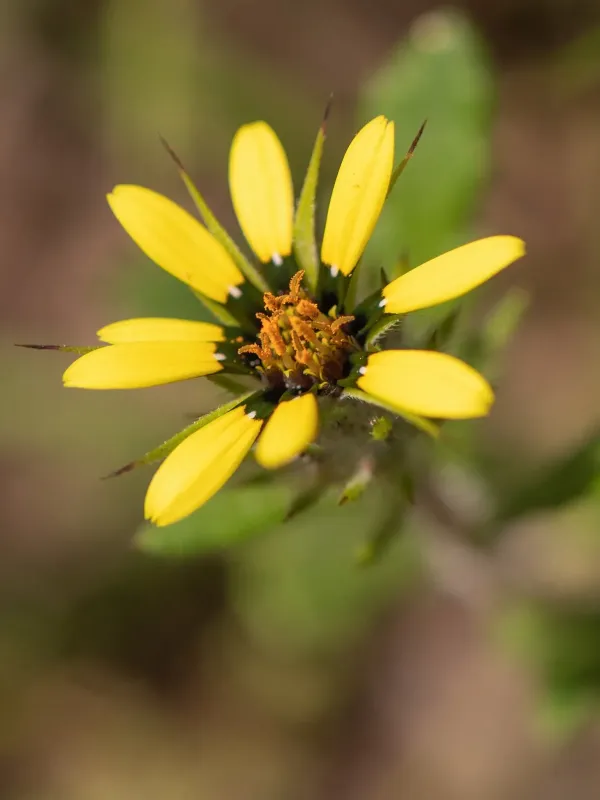
Gorteria personata is a distinct species within the Asteraceae family, valued for its unique floral architecture that mimics the appearance of insects. This botanical feature serves as an evolutionary mechanism for pollination and makes it a fascinating choice for specialized gardens.
The sowing process is typically scheduled for spring when the soil has reached an adequate temperature. As a heat-loving plant, it requires warm environmental conditions for successful germination, so direct seeding outdoors should be avoided until the risk of frost has passed.
For regions with shorter growing seasons, starting seeds indoors is recommended. Seeds should be sown in a light, well-draining seed-starting mix in late winter, providing them with sufficient light and gentle heat to encourage robust initial growth.
When sowing, seeds should be lightly pressed into the surface rather than buried deeply, as they often require light exposure to trigger germination. Maintaining consistent, light moisture is crucial during the germination phase to ensure a high success rate.
Once seedlings are established and hardened off, they should be transplanted to their permanent location with proper spacing. A distance of 20 to 30 cm between plants is recommended to facilitate airflow and support the development of healthy, multi-branched stems.
Growing requirements
Gorteria personata demands a location with full, direct sunlight to thrive. Exposure to at least six to eight hours of sunshine per day is necessary to maintain the plant's structural integrity and ensure the vivid development of its unique inflorescences.
The ideal soil for this species is sandy or loamy with excellent drainage properties. The plant is highly sensitive to waterlogged conditions, which can lead to root decay; therefore, amending heavy soils with grit or coarse sand is often required before planting.
Irrigation should be approached with caution. While the plants require water during dry spells, it is essential to irrigate at the base of the plant to avoid wetting the foliage and flowers, which reduces the risk of fungal infections such as powdery mildew.
Temperature tolerance is generally high regarding heat, but the plant performs best in Mediterranean-style climates with warm days and milder nights. Sudden fluctuations in temperature or prolonged periods of cold, wet weather can negatively impact plant health.
Nutritional needs are relatively modest. A balanced, slow-release fertilizer with low nitrogen content is sufficient to support healthy development without causing excessive succulent growth that may weaken the plant's stems or reduce overall flower production.
Main diseases and pests
Root rot and crown rot are the primary threats to Gorteria personata, usually triggered by poor drainage or overwatering. Maintaining a strict watering schedule and ensuring that the top layer of soil dries out between irrigations is the best preventive measure.
Pests such as aphids and spider mites can infest the plant, particularly in dry and poorly ventilated conditions. Regular inspections are advised, and if an infestation is detected, insecticidal soaps or neem oil can provide an effective and safe control method.
Powdery mildew may occur when humidity levels are high and air circulation is insufficient. Improving plant spacing and avoiding overhead watering significantly reduces the probability of this fungal outbreak during the late spring and summer months.
Slugs and snails are a common threat to young seedlings. Implementing physical barriers such as copper tape or using iron phosphate-based baits can effectively protect young, vulnerable plants during their early stages of growth in the garden.
Sanitation practices, including the regular removal of weeds and debris from the base of the plants, are essential. Keeping the growing environment clean helps prevent the accumulation of pathogens and ensures a healthy, aesthetically pleasing display throughout the season.