
Gaillardia megapontamica
Gaillardia megapontamica
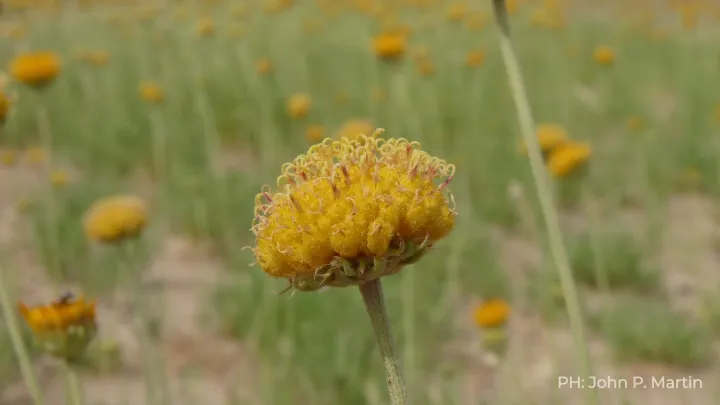
Description
Sowing dates
Gaillardia megapontamica, a member of the Asteraceae family, is typically propagated through seeds or division of mature clumps. Sowing seeds directly into the open ground should occur in the spring once the soil temperature consistently reaches 15-18 degrees Celsius.
For earlier blooms, starting seeds indoors in containers during March or April is highly recommended. It is essential to cover the seeds with a light substrate at a depth of no more than 0.5 to 1 centimeter to ensure proper germination.
Seedlings require ample sunlight and moderate watering to prevent etiolation. Pricking out or transplanting the seedlings into individual pots should be done once the first pair of true leaves appears, which helps in developing a strong root system.
Transplanting into the garden takes place in late May or early June, once all risks of frost have passed. Space the plants 30 to 40 centimeters apart to ensure adequate airflow and healthy development of the mature foliage.
The crop adapts well to its permanent location if it is planted in well-prepared soil and receives consistent care during the initial establishment period.
Growing requirements
As a plant native to South America, Gaillardia megapontamica demands full sun exposure to thrive. It should be planted in areas of the garden that receive at least six to eight hours of direct sunlight daily.
The soil should be light, sandy, or loamy with excellent drainage. This plant is highly sensitive to waterlogged conditions, which can lead to root rot; therefore, improving soil drainage is a critical step in site preparation.
The plant prefers neutral to slightly alkaline soil pH levels. If the soil is heavy or dense, amending it with sand or fine gravel will significantly improve aeration and promote deeper root growth.
Moderate but consistent watering is required during the active growing season. It is crucial to allow the soil surface to dry out slightly between waterings to maintain the overall health of the root system.
Regular applications of balanced fertilizers with a focus on phosphorus and potassium will enhance the abundance and vibrancy of the flowers throughout the summer and autumn months.
Main diseases and pests
Fungal infections, particularly powdery mildew, are the primary threats to the health of this culture. These issues are most prevalent in humid conditions or when plants are spaced too closely, restricting proper airflow.
Gray mold (Botrytis) may also develop during periods of excessive rainfall. Affected plant material should be promptly removed, and systemic fungicides may be used if the infection becomes widespread.
Pests such as aphids and whiteflies can cause damage by feeding on the sap of young stems and leaves. These pests can weaken the plant and serve as vectors for secondary viral or fungal infections.
To keep the plant healthy, regular monitoring is essential. Keeping the surrounding area free of weeds reduces the likelihood of pest outbreaks and ensures that the plants remain free from competition for nutrients.
If chemical interventions are necessary, insecticides or fungicides should be applied according to the manufacturer's guidelines, preferably during the early hours of the day to ensure optimal absorption.